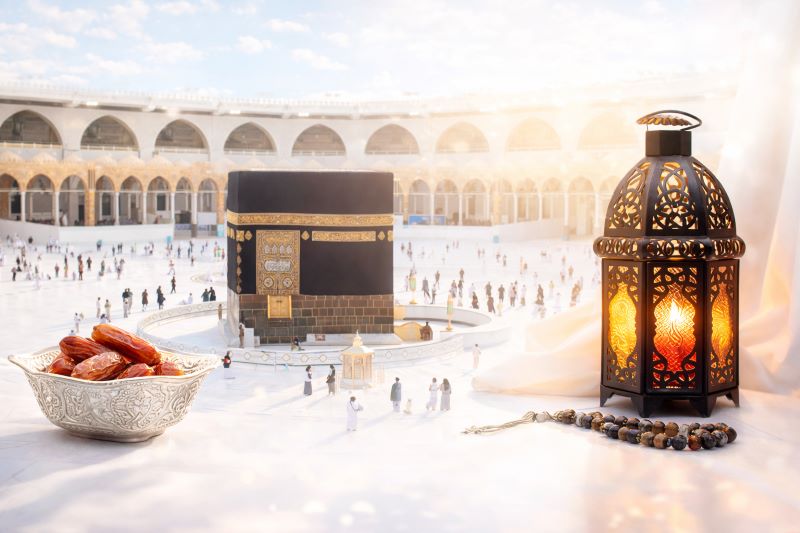
Umrah During Ramadan
Every year in the blessed month of Ramadan, millions of Muslims travel to Makkah to perform Umrah. The atmosphere of the Haram during this month is unlike any other time of the year. The days are filled with fasting and recitation of the Qur’an, while the nights shine with Taraweeh prayers and heartfelt duas. It is not just a journey of travel — it is a journey of the soul.
Ramadan is already the most sacred month in Islam. When Umrah is performed during this time, the spiritual experience becomes even more powerful. Being in Makkah, praying near the Kaaba, and breaking your fast in the holy city creates a deep sense of closeness to Allah that many believers describe as life-changing.
Table of Contents
- Umrah During Ramadan
- Why Is Umrah Important During Ramadan?
- What Is the Reward of Doing Umrah During Ramadan?
- Is Umrah in Ramadan Equal to Hajj?
- In-Depth Guide for a Sacred JourneyThe First 20 Days
- The Last 10 Days
- The Virtue of Performing Umrah in the Last 10 Days of Ramadan
- Laylatul Qadr – The Night of Power
- Can Umrah Be Done in 7 Days?
- Tips for Performing Umrah During Ramadan
- Basic Preparations Required for Umrah During RamadanVisa and Documentation
- Financial Planning and Budgeting
- A Step-by-Step Guide: How to Perform Umrah During RamadanStep 1: Enter the State of Ihram
- Step 2: Perform Tawaf
- Step 3: Perform Sa’i
- Step 4: Complete Halq or Qasr
- Health and Wellness While Performing Umrah
- What Are the 6 Days After Ramadan?
- What Is Usually Included in a Ramadan Package?
- Why Accommodation Matters More in Ramadan
- Important Things to Check Before Booking
- Final Reflection / Conclusion
Why Is Umrah Important During Ramadan?
Ramadan is the month of mercy, forgiveness, and freedom from the Hellfire. Every good deed performed in this month carries multiplied rewards. That is one of the main reasons why Muslims strive to perform Umrah during Ramadan.
The last ten nights of Ramadan are especially sacred. The odd nights — the 21st, 23rd, 25th, 27th, and 29th — are believed to contain Laylatul Qadr (the Night of Decree), which is better than a thousand months. Worship performed during these nights carries immense blessings.
What Is the Reward of Doing Umrah During Ramadan?
The reward of Umrah during Ramadan is extraordinary. The Prophet Muhammad (peace be upon him) emphasized its virtue in authentic hadith.
He said:
“One Umrah to another is an expiation for what is between them, and the reward for an accepted Hajj is nothing but Paradise.”
(Sahih al-Bukhari, Hadith 1773)
In another narration reported by Ibn Abbas (RA), the Prophet (peace be upon him) encouraged Muslims to perform Hajj and Umrah repeatedly because they remove poverty and sins, just as fire removes impurities from iron.
Ramadan adds even more significance to these rewards. Worship during this month carries multiplied blessings, making Umrah an even greater opportunity for forgiveness and spiritual purification.
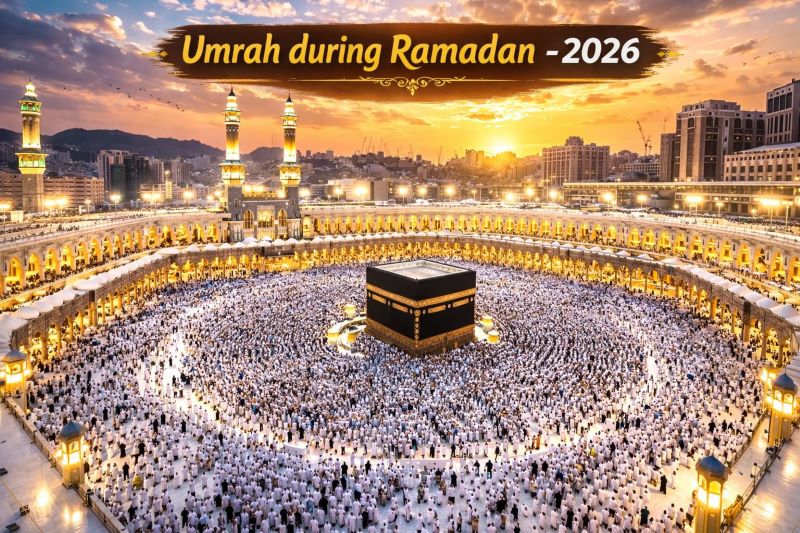
Is Umrah in Ramadan Equal to Hajj?
One of the most well-known hadiths about this topic is found in Sahih al-Bukhari. The Prophet (peace be upon him) told a woman from the Ansar:
“Perform Umrah in Ramadan, for it is equal to Hajj.”
(Sahih al-Bukhari, Hadith 1782)
In another narration, he said:
“Umrah in Ramadan is like Hajj with me.”
Scholars explain that this means the reward of Umrah in Ramadan is similar to the reward of Hajj — but it does not replace the obligation of Hajj for those who are financially and physically able. Hajj remains a separate and compulsory pillar of Islam.
Still, this hadith shows how valuable Umrah during Ramadan truly is. It is a rare opportunity to gain immense reward through sincere devotion.
In-Depth Guide for a Sacred Journey
If you are planning Umrah in Ramadan, preparation is essential. This includes:
- Learning the correct rituals of Umrah
- Staying hydrated and managing your health while fasting
- Booking accommodation close to the Haram if possible
- Planning extra time for prayers and rest
Traveling to the holy cities of Saudi Arabia during Ramadan is not simply tourism. It is a chance for deep spiritual growth, repentance, and renewal of faith.
The First 20 Days
✅ Advantages: Fewer crowds and more affordable; offers a peaceful Umrah experience.
❌ Disadvantages: You might miss the unique rewards of the final ten days and Laylatul Qadr.
The Last 10 Days
✅ Advantages: Maximum spiritual rewards; high probability of finding Laylatul Qadr.
❌ Disadvantages: Extremely crowded and more expensive.
The Virtue of Performing Umrah in the Last 10 Days of Ramadan
The last ten days of Ramadan — known as the final Ashrah — hold a very special status in Islam. These days are filled with mercy, forgiveness, and opportunities for immense reward. Within these blessed nights lies Laylatul Qadr (the Night of Decree), a night that the Qur’an describes as “better than a thousand months.”
For Muslims who perform Umrah during these final ten days, the spiritual experience becomes even more meaningful. Being in Makkah during this sacred period allows a believer to combine fasting, prayer, and Umrah in the most blessed environment.
The Prophet Muhammad (peace be upon him) increased his worship during the last ten nights more than at any other time of the year. According to Sahih Muslim, acts of worship in these final days are especially beloved to Allah. This shows how precious and spiritually powerful this period truly is.
Performing Umrah in these days means your Tawaf, Sa’i, duas, and prayers are done in the most spiritually elevated time of the year. It is a rare opportunity to seek forgiveness and renew your connection with Allah.
Laylatul Qadr – The Night of Power
Laylatul Qadr occurs in one of the odd nights during the last ten days of Ramadan — commonly the 21st, 23rd, 25th, 27th, or 29th night. The Qur’an tells us that this night is better than a thousand months, meaning that worship performed on this single night is greater in reward than worship done for over 83 years.
The Prophet (peace be upon him) said, as reported in Sahih al-Bukhari:
“Whoever stands in prayer on Laylatul Qadr with faith and seeking reward, his previous sins will be forgiven.”
Can Umrah Be Done in 7 Days?
Yes, Umrah can easily be completed within 7 days. In fact, many pilgrims plan short trips lasting between 5 to 7 days, depending on their schedule.
The main rituals of Umrah are performed in Makkah and include:
- Entering into Ihram
- Performing Tawaf (circling the Kaaba)
- Performing Sa’i (walking between Safa and Marwah)
- Halq or Qasr (shaving or trimming the hair)
These rituals themselves can be completed within a few hours. However, most pilgrims spend additional time in prayer and reflection.
After completing Umrah, many travelers visit Madinah to pray in Masjid al-Nabawi and visit the Rawdah, the blessed area near the resting place of Prophet Muhammad (peace be upon him).
With proper planning and time management, a 7-day Umrah trip is very possible. The key is preparation and organization before travel
Tips for Performing Umrah During Ramadan
Umrah in Ramadan requires spiritual, physical, and practical preparation. Because the holy cities in Saudi Arabia become extremely crowded, planning ahead is essential.
1. Arrange Travel Early
Book your flights, hotel, and transportation well in advance. Apply for your Umrah visa early to avoid last-minute stress.
2. Prepare Physically
You will be walking long distances while fasting. Stay hydrated during non-fasting hours and eat balanced meals at Sehri and Iftar.
3. Be Patient
Crowds are much larger in Ramadan, especially in the last ten nights. Practice patience, kindness, and good manners at all times.
4. Focus on Worship
Limit time on your phone or social media. Instead, spend your time in dua, Qur’an recitation, and dhikr. These days are too valuable to waste.
5. Visit Important Sites
In Makkah, pilgrims often visit historical places such as Jabal al-Nour (Cave of Hira) and Jannat al-Mu’alla. In Madinah, visiting Jannat al-Baqi and offering prayers in Masjid al-Nabawi are spiritually uplifting experiences.
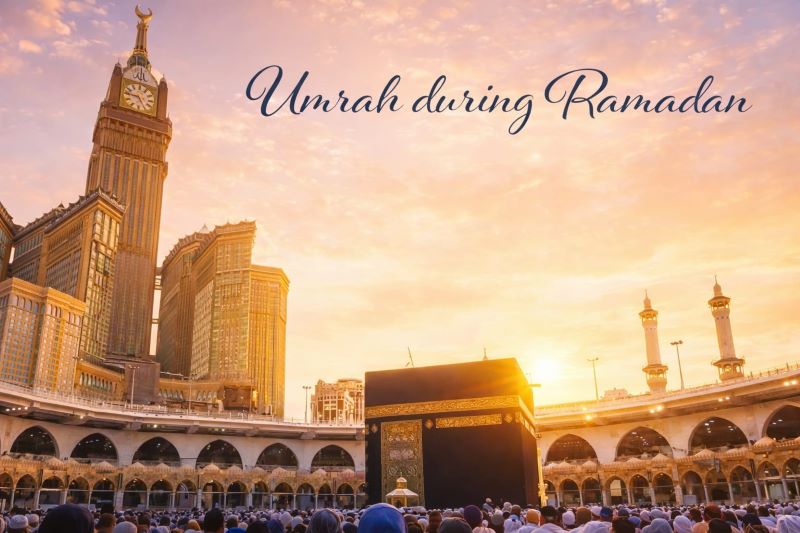
Basic Preparations Required for Umrah During Ramadan
Planning Umrah during Ramadan is a beautiful and life-changing decision. Since this is the most blessed and busiest time in Makkah and Madinah, proper preparation is very important. When everything is organized in advance, you can concentrate fully on worship, prayer, and reflection without unnecessary stress.
Visa and Documentation
First, make sure all your travel documents are valid and complete. This usually includes a valid passport, an approved Umrah visa, confirmed flight tickets, hotel booking details, and any required identification documents.
Because demand is very high in Ramadan, it is best to apply for your visa early. Processing may take longer due to the large number of applications. Always use an authorized travel agency or an official platform to avoid any problems or fraud.
It is also wise to keep both printed and digital copies of all important documents. Having backups can save time and prevent difficulties during your journey.
Financial Planning and Budgeting
Ramadan is considered peak season for Umrah, so costs are often higher than at other times of the year. Preparing a clear budget will help you manage expenses comfortably and avoid financial pressure.
Your budget should cover round-trip flights, hotel accommodation near the Haram, visa and service charges, daily food expenses (such as Sehri and Iftar), local transportation, and some emergency funds.
Booking your Umrah package early can help you get better prices and stay closer to the Haram. Staying nearby makes it easier to attend prayers, especially during the last ten nights of Ramadan. Good planning ensures a peaceful and spiritually focused journey.
A Step-by-Step Guide: How to Perform Umrah During Ramadan
Performing Umrah during Ramadan is the same in terms of rituals as at any other time of the year. The steps do not change. However, the spiritual atmosphere of Ramadan — with fasting, extra prayers, and increased devotion — makes the experience feel deeper and more meaningful. Every act of worship feels more focused, and every prayer carries a special sense of sincerity.
Step 1: Enter the State of Ihram
The journey begins by entering the state of Ihram at the designated Miqat point before arriving in Makkah. Ihram is not just about wearing specific clothing; it is a spiritual state. Men wear the simple white garments, and women wear modest Islamic dress. Before making the intention, perform the necessary purification and then declare the intention for Umrah. From this moment, certain actions become restricted, and the focus shifts completely toward worship and obedience to Allah.
Step 2: Perform Tawaf
After reaching Masjid al-Haram, perform Tawaf, which means circling the Kaaba seven times in a counterclockwise direction. Tawaf begins and ends at the Black Stone area. During Tawaf, remain calm, make dua, and remember Allah. There is no rush — the goal is devotion, not speed. Ramadan crowds can be large, so patience is very important.
Step 3: Perform Sa’i
Next comes Sa’i, which is walking seven times between the hills of Safa and Marwah inside the mosque area. This ritual reminds us of the patience and trust shown by Hajar (AS). During Sa’i, continue making dua and reflecting on Allah’s mercy. Like Tawaf, Sa’i should be done with calmness and concentration.
Step 4: Complete Halq or Qasr
The final step of Umrah is Halq (shaving the head for men) or Qasr (trimming the hair). Women trim a small portion of their hair. With this step, the Umrah is completed, and the restrictions of Ihram end. It is a moment of gratitude and spiritual satisfaction.
Although the rituals themselves may take only a few hours, Ramadan’s environment requires extra patience. Move gently, avoid pushing others, and always maintain good manners. Good character is an important part of worship, especially in crowded conditions.
After completing Umrah in Makkah, many pilgrims travel to Al-Masjid an-Nabawi in Madinah. There, they pray and visit the Rawdah, the blessed area near the resting place of Prophet Muhammad (peace be upon him). This visit adds a deeply emotional and spiritual dimension to the journey.
Health and Wellness While Performing Umrah
Your physical health is just as important as your spiritual preparation. During Ramadan, you will be fasting, walking long distances, and moving through large crowds. These activities require energy and awareness. Taking care of your body helps you worship comfortably and sincerely.
Here are some simple but effective health tips:
Drink plenty of water between Iftar and Suhoor. Proper hydration is essential, especially in warm weather and crowded areas.
Eat balanced meals. Include carbohydrates for energy and protein for strength. Avoid skipping meals during non-fasting hours.
Avoid heavy or overly fried foods. Such foods can cause discomfort and make it harder to stay active during the day.
Take short rest breaks when needed. There is no need to rush. Resting helps you maintain energy for prayers and rituals.
Medical centers are available in the holy cities to assist pilgrims if needed. If someone feels weak or is unable to complete Tawaf due to illness, wheelchairs and electric carts are provided inside Masjid al-Haram to support worshippers. These facilities make the journey easier and safer for everyone.
Most importantly, listen to your body. Islam encourages balance and care for health. When you maintain your physical well-being, you can continue worship with strength, focus, and sincerity. A healthy body supports a peaceful heart — and both are essential for a meaningful Umrah experience during Ramadan.
What Are the 6 Days After Ramadan?
After Ramadan ends, many Muslims fast six days in the month of Shawwal. This is based on a hadith reported in Sahih Muslim:
“Whoever fasts Ramadan and follows it with six days of Shawwal, it is as if he fasted for a whole year.” (Hadith 1164)
These six fasts can be kept consecutively or separately throughout the month of Shawwal. The reward is immense and shows gratitude for completing Ramadan.
Fasting these six days is a beautiful way to continue the spiritual momentum gained during Ramadan and Umrah.
What Is Usually Included in a Ramadan Package?
Most Ramadan Umrah packages commonly include:
- Visa processing
- Return international flights
- 5–7 nights of hotel accommodation
- Airport and city transfers
- Basic on-ground support or guidance
Some travel agencies may also provide group leaders to assist pilgrims in performing Umrah correctly, which can be especially helpful for first-time travelers. Having guidance can make the journey smoother and more comfortable.
Why Accommodation Matters More in Ramadan
During Ramadan — particularly in the last ten nights — the number of worshippers increases significantly. Staying within walking distance of the Haram becomes very important. Shorter travel time means easier access to daily prayers, Taraweeh, and Qiyam without feeling tired. Being closer to the Haram allows pilgrims to spend more time in worship instead of commuting.
Important Things to Check Before Booking
Before confirming any package, carefully review all details. Make sure you understand what is included and what is not included. Some packages may not cover meals, while others may arrange Suhoor and Iftar services. Clear information, honesty, and transparency from the travel agency are essential for a smooth experience.
Above all, remember that Ramadan Umrah is not just a trip. It is a blessed opportunity to combine fasting, worship, and pilgrimage in one sacred journey — seeking forgiveness, mercy, and closeness to Allah during the most special nights of the year.
Read More: Explore everything you need for your sacred journey at Travel in Makkah. Start from our homepage to get a complete overview, then visit our Shop page to find essential travel items for Hajj and Umrah. Learn more about our mission and services on the About page, and read helpful guides and updates on our Blog to prepare yourself better. When you're ready, you can easily book your journey through our booking page and begin your spiritual experience with confidence.
Written by
Travel in Makkah
Sharing insights about pilgrimage, spiritual journeys, and sacred travel experiences.