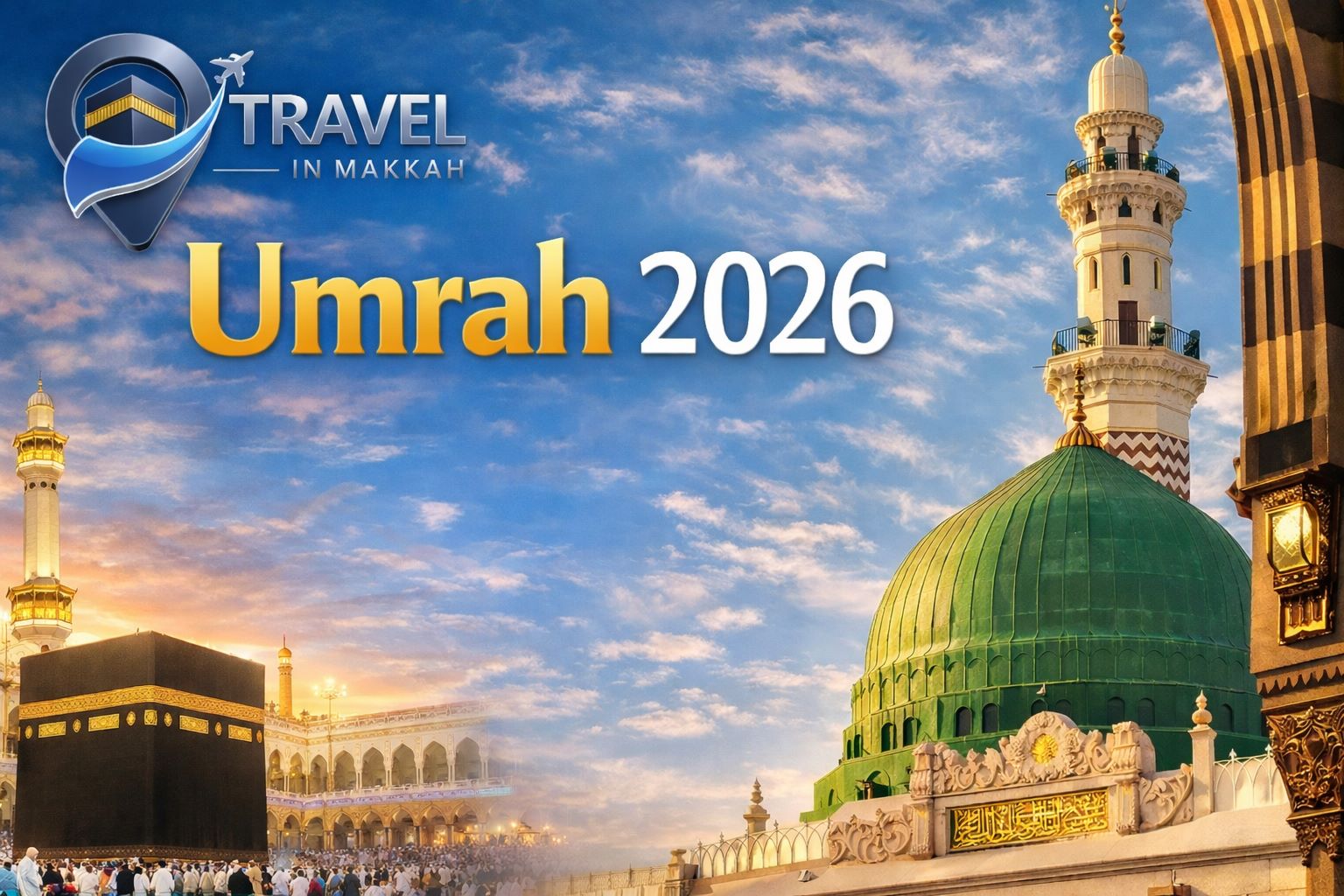
A Heartfelt Reflection on Umrah in Light of the Quran and Authentic Hadith
Umrah is not just a journey. It is a call from Allah. For every believer, the thought of visiting the Sacred House in Makkah brings feelings of love, longing, and humility. Although Umrah is not obligatory like Hajj, it remains one of the most beautiful and spiritually uplifting acts of worship in Islam.
The Quran and authentic Hadith clearly highlight its importance, virtues, and method. When a believer performs Umrah, it is not merely a ritual — it is an act of devotion, repentance, and closeness to Allah.
Table of Contents
- A Heartfelt Reflection on Umrah in Light of the Quran and Authentic Hadith
- The Status of Umrah
- Evidence from the Quran
- Evidence from Authentic Hadith
- The Beautiful Virtues of Umrah
- The Special Blessing of Umrah in Ramadan
- Ihram and Miqat – Beginning with Intention
- Tawaf and Sa’i – The Heart of the Journey
- The Relationship Between Hajj and Umrah
- The Prophet’s ﷺ Performance of Umrah
- Umrah as a Means of Forgiveness
- The Special Reward of Umrah in Ramadan
- Ihram and Miqat – Beginning with Intention
- Tawaf and Sa’i – The Heart of Umrah
- Completion of Umrah
- Conclusion
The Status of Umrah
Unlike Hajj, Umrah is not obligatory according to the majority of scholars. It is considered a strongly emphasized Sunnah (Sunnah Mu’akkadah). This means that while it is not compulsory, it is highly recommended for those who are financially and physically able.
If Allah grants someone the ability to travel, to leave behind daily responsibilities, and to stand before His House, it is truly a blessing worth thanking Him for. Performing Umrah at least once in a lifetime is a beautiful opportunity for spiritual renewal.
Evidence from the Quran
Allah says:
“And complete Hajj and Umrah for Allah.”
(Surah Al-Baqarah 2:196)
This verse reminds believers that these acts of worship must be performed sincerely for the sake of Allah alone. It reflects dedication and devotion, encouraging Muslims to perform them properly and with full commitment.
Allah also says:
“Indeed, Safa and Marwah are among the symbols of Allah. So whoever performs Hajj or Umrah, there is no blame upon him to walk between them.”
(Surah Al-Baqarah 2:158)
This verse confirms the importance of Sa’i — walking between Safa and Marwah — as a meaningful part of the Umrah journey. It shows that every step taken during Umrah carries spiritual value.
Evidence from Authentic Hadith
The Prophet ﷺ emphasized the importance of fulfilling obligations such as Hajj, highlighting the seriousness of neglecting them. However, there is no direct command making Umrah obligatory, which indicates that it is not Fard.
This understanding is supported by authentic scholarly interpretations based on clear evidence.
The Beautiful Virtues of Umrah
One of the greatest blessings of Umrah is that it cleanses sins.
The Prophet ﷺ said:
“The performance of Umrah is an expiation for the sins committed between it and the previous Umrah.”
(Sahih Bukhari 1773)
Imagine being given the opportunity to erase past mistakes and begin again with a clean heart. That is the gift of Umrah.
Another narration states:
“An accepted Hajj has no reward except Paradise. And Umrah is an expiation for the sins between one Umrah and the next.”
(Sahih Muslim 1350)
These narrations remind us that Umrah is not just travel — it is purification.
The Special Blessing of Umrah in Ramadan
Performing Umrah during Ramadan holds extraordinary reward.
The Prophet ﷺ said:
“When Ramadan comes, perform Umrah, for Umrah in Ramadan is equal in reward to Hajj.”
(Sahih Bukhari 1782)
Another narration states:
“Umrah in Ramadan is equal to performing Hajj with me.”
(Sahih Muslim 1255)
This does not replace the obligation of Hajj, but it highlights the immense reward granted during this blessed month. Ramadan itself is a time when rewards are multiplied, and combining it with Umrah makes the spiritual experience even more meaningful.
Ihram and Miqat — Beginning with Intention
Every Umrah begins with Ihram, a state of purity and intention. Entering Ihram from the designated Miqat shows obedience to Allah’s guidance.
The Prophet ﷺ instructed Aisha (RA) to perform Umrah from At-Tan’im.
(Sahih Bukhari 1784)
This teaches us that following the correct procedure is part of sincere worship.
Tawaf and Sa’i — The Heart of the Journey
Walking around the Ka’bah (Tawaf) and moving between Safa and Marwah (Sa’i) are essential parts of Umrah.
The Quran confirms the importance of Sa’i (Surah Al-Baqarah 2:158). The Prophet ﷺ himself performed Tawaf and Sa’i during Umrah, establishing these acts as fundamental pillars.
Every circle around the Ka’bah is a reminder of unity. Every step between Safa and Marwah reflects patience, trust in Allah, and devotion.
The Relationship Between Hajj and Umrah
Hajj and Umrah are two beautiful journeys that connect a believer’s heart directly to Allah. They are not just acts of worship; they are spiritual experiences that remind Muslims of sincerity, humility, and devotion.
In the Quran, Allah says:
“And complete Hajj and Umrah for Allah.”
(Surah Al-Baqarah 2:196)
This verse teaches us something very meaningful. Both Hajj and Umrah must be performed purely for Allah’s sake. The journey is not about status, travel, or appearance — it is about seeking Allah’s pleasure. Umrah, although not obligatory like Hajj, is still a deeply important act of worship that strengthens faith and purifies the heart.
Allah also says:
“Hajj is during well-known months…”
(Surah Al-Baqarah 2:197)
This verse explains that Hajj has specific months and rules. It highlights the difference between Hajj and Umrah. Hajj is performed at a fixed time and is obligatory for those who are able. Umrah, on the other hand, can be performed throughout the year (except during Hajj restrictions). This flexibility makes Umrah a special opportunity for Muslims at any time.
The Prophet’s ﷺ Performance of Umrah
The life of the Prophet ﷺ is the best example for Muslims. He himself performed Umrah several times, showing its importance and value.
It is reported in Sahih Bukhari:
The Prophet ﷺ performed four Umrahs.
(Sahih Bukhari, Hadith 1780)
This demonstrates that Umrah is a practice established by the Messenger of Allah ﷺ. He did not perform it only once, but multiple times, teaching the Ummah its significance.
It is also narrated that he performed Umrah from Hudaibiyah, Al-Qadha, and Ji‘ranah. (Sahih Bukhari)
This shows that Umrah can be performed in different situations and at different times. It is not limited to one specific occasion, which makes it accessible and flexible for believers.
Umrah as a Means of Forgiveness
One of the greatest blessings of Umrah is that it helps cleanse sins and renew the heart.
The Prophet ﷺ said:
“The performance of Umrah is an expiation for the sins committed between it and the previous Umrah.”
(Sahih Bukhari 1773)
This Hadith brings hope to every believer. It reminds us that Allah’s mercy is vast. When someone performs Umrah sincerely, it becomes a chance to start fresh, leaving behind minor mistakes and returning home spiritually renewed.
The Special Reward of Umrah in Ramadan
Performing Umrah during Ramadan carries exceptional reward. Ramadan itself is a month of mercy, forgiveness, and multiplied blessings.
Ibn Abbas (RA) reported that the Prophet ﷺ said:
“Umrah in Ramadan is equal (in reward) to Hajj.”
(Sahih Bukhari 1782)
And in Sahih Muslim it is mentioned:
“Umrah in Ramadan is equal to performing Hajj with me.”
(Sahih Muslim 1255)
This does not replace the obligation of Hajj, but it shows how special Umrah becomes during Ramadan. Combining the blessings of Ramadan with the sacred journey of Umrah creates a deeply spiritual experience.
Ihram and Miqat – Beginning with Intention
Umrah begins with entering the state of Ihram. This moment represents sincerity and submission to Allah. Wearing simple clothing and making intention reminds the pilgrim that everyone stands equal before Allah.
The Prophet ﷺ instructed Aisha (RA) to perform Umrah from At-Tan‘im.
(Sahih Bukhari 1784, 1787)
This teaches us that following the correct method and locations (Miqat) is part of obeying Allah’s guidance.
Tawaf and Sa’i – The Heart of Umrah
Two essential pillars of Umrah are Tawaf and Sa’i.
Allah says:
“Indeed, Safa and Marwah are among the symbols of Allah…”
(Surah Al-Baqarah 2:158)
This verse confirms the importance of walking between Safa and Marwah. These movements are not just physical actions — they are acts of remembrance, patience, and trust in Allah.
Authentic Hadith confirm that the Prophet ﷺ performed Tawaf and Sa’i during Umrah.
(Sahih Bukhari, Book of Hajj)
Completion of Umrah
Umrah concludes by shaving the head (Halq) or trimming the hair. This step symbolizes humility and completion of the journey. After this, the pilgrim exits the state of Ihram and returns to normal life — but hopefully with a renewed heart and stronger faith.
Conclusion
According to the Quran and authentic Hadith, Umrah is a noble and highly rewarded act of worship. Although it is not obligatory, it is a strongly recommended Sunnah. It purifies sins, brings spiritual renewal, and holds special reward during Ramadan. The Prophet ﷺ himself performed Umrah multiple times, establishing it as an important part of Islamic practice.
The main pillars of Umrah are:
- Entering Ihram with sincere intention
- Performing Tawaf around the Ka‘bah
- Performing Sa’i between Safa and Marwah
- Shaving or trimming the hair
Umrah is more than a journey — it is an opportunity to reconnect with Allah, seek forgiveness, and return home with a peaceful heart.
May Allah grant every believer the chance to visit His Sacred House and accept their worship. Ameen. .
Read More: Explore everything you need for your sacred journey at Travel in Makkah. Start from our homepage to get a complete overview, then visit our Shop page to find essential travel items for Hajj and Umrah. Learn more about our mission and services on the About page, and read helpful guides and updates on our Blog to prepare yourself better. When you're ready, you can easily book your journey through our booking page and begin your spiritual experience with confidence.
Written by
Travel in Makkah
Sharing insights about pilgrimage, spiritual journeys, and sacred travel experiences.