Makkah is one of the holiest cities in the world and welcomes millions of pilgrims every year for Hajj and Umrah. For people with physical disabilities, traveling to and navigating Makkah can feel challenging at first. However, with proper planning, awareness, and preparation, the journey can become smoother, safer, and spiritually fulfilling. Saudi Arabia has made significant improvements in accessibility across the Haram area, transportation systems, hotels, and public services to support pilgrims with mobility challenges.
Whether you use a wheelchair, walking aid, prosthetic limb, or experience limited mobility due to age or illness, this guide provides practical and helpful tips for navigating Makkah comfortably and confidently.
1. Plan Your Trip in Advance
The most important step for a disabled traveler is planning ahead. Makkah becomes extremely crowded, especially during Ramadan and Hajj season. Proper preparation can reduce stress and help avoid unexpected difficulties.
Before traveling:
Choose the right season for Umrah if possible. Off-peak months are less crowded.
Consult your doctor before the trip.
Carry medical records and prescriptions.
Inform your travel agency about your disability needs.
Confirm wheelchair accessibility with airlines and hotels.
Pack enough medication for the entire trip.
If you need assistance at airports or during transportation, request it early. Most airlines provide wheelchair support, priority boarding, and special seating arrangements.
2. Choose Accessible Accommodation Near Haram
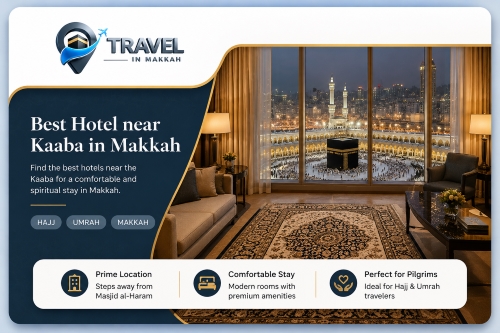
Location matters greatly in Makkah. Staying close to Masjid al-Haram can reduce physical strain and transportation difficulties.
When booking a hotel:
Select hotels within walking distance of Haram.
Ask whether rooms are wheelchair accessible.
Confirm elevator availability.
Ensure bathrooms have grab bars and accessible showers.
Check if ramps are available at entrances.
Hotels in areas such as Ajyad, Ibrahim Khalil Road, and the Clock Tower complex often provide better accessibility facilities. Although these hotels may cost more, they save energy and reduce transportation stress.
For elderly or disabled pilgrims, minimizing walking distance is extremely important.
3. Use Wheelchairs and Mobility Scooters
Masjid al-Haram provides wheelchairs for pilgrims who need mobility assistance. Both manual and electric wheelchairs are available.
There are generally three options:
Free Wheelchairs
These are available in designated areas around Haram. However, availability may be limited during peak times.
Paid Wheelchair Services
Trained attendants push wheelchairs for Tawaf and Sa’i. This service is useful for elderly pilgrims or those unable to move independently.
Personal Mobility Scooters
Electric scooters are becoming increasingly popular. They help pilgrims move independently around the mosque.
Important tips:
Charge electric wheelchairs fully before entering Haram.
Keep a backup battery if possible.
Label your wheelchair with your name and contact number.
Avoid leaving mobility devices unattended.
4. Understand Haram Accessibility Features
Masjid al-Haram has undergone major expansions to improve accessibility.
Accessible features include:
Smooth wheelchair-friendly flooring
Elevators and escalators
Dedicated wheelchair lanes
Accessible restrooms
Special prayer areas
Air-conditioned walkways
Clear signage
The Mataf area (around the Kaaba) can become very crowded. Disabled pilgrims may find upper floors more comfortable for Tawaf because they are less congested.
The Sa’i area between Safa and Marwah is also wheelchair accessible, with designated lanes for wheelchairs and electric carts.
5. Perform Tawaf Comfortably
Tawaf is one of the most physically demanding rituals. Disabled pilgrims should prioritize safety and comfort.
Helpful tips for Tawaf:
Perform Tawaf during less crowded hours, such as late night or early morning.
Use upper floors if the ground level is overcrowded.
Stay hydrated.
Take breaks when needed.
Avoid rushing.
Islam emphasizes ease and mercy. Pilgrims with disabilities are not expected to endanger themselves. If necessary, assistance from family members or attendants is completely acceptable.
6. Navigating Sa’i Between Safa and Marwah
The Sa’i area is well-equipped for disabled pilgrims. Wheelchair paths are smooth and spacious.
Recommendations include:
Use electric carts if walking long distances is difficult.
Wear comfortable clothing and supportive footwear.
Keep water with you.
Rest at designated sitting areas.
The distance between Safa and Marwah can feel exhausting, especially in crowded conditions. Pace yourself and avoid overexertion.
7. Transportation in Makkah
Transportation can be challenging because of heavy traffic and large crowds. Fortunately, several accessible transportation options exist.
Accessible Taxis
Some taxis accommodate foldable wheelchairs. Ride-sharing apps like Uber and Careem may offer suitable vehicles.
Shuttle Buses
Many hotels provide shuttle services to Haram.
Haramain Train
The Haramain High-Speed Railway connecting Makkah and Madinah includes wheelchair facilities and accessible seating.
Public Transport
Certain buses are equipped for disabled passengers, though availability may vary.
Tips for transportation:
Avoid rush hours.
Carry hotel information in Arabic.
Keep emergency contacts handy.
Use GPS apps for navigation.
8. Stay Hydrated and Protect Your Health
Makkah’s climate is hot for much of the year. Heat exhaustion can affect anyone but poses greater risk for disabled travelers.
Health tips include:
Drink Zamzam water regularly.
Use an umbrella or sun protection.
Avoid direct sunlight during midday.
Take frequent breaks.
Monitor signs of fatigue or dehydration.
If you have chronic conditions such as diabetes, heart disease, or arthritis, monitor your health closely throughout the pilgrimage.
9. Travel with a Companion if Possible
Although many disabled pilgrims travel independently, having a trusted companion can greatly improve safety and comfort.
A companion can help with:
Navigating crowds
Carrying bags
Managing medications
Communication
Emergency situations
If traveling alone, inform hotel staff or your group leader about your condition so assistance can be provided when needed.
10. Learn Important Arabic Phrases
Basic Arabic phrases can be extremely helpful during your stay.
Useful phrases include:
“Musa‘adah, min fadlak” – Please help me
“Ayna al-kursi al-mutaḥarrik?” – Where is the wheelchair?
“Ana marid” – I am sick
“Ayna al-mustashfa?” – Where is the hospital?
You can also keep translation apps on your phone.
11. Keep Emergency Information Accessible
Always carry:
Passport copy
Hotel card
Emergency contacts
Medical information
Allergy details
Medication list
Using a medical ID bracelet is highly recommended for travelers with serious medical conditions.
12. Use Mobile Apps for Assistance
Technology can make your journey easier.
Helpful apps include:
Google Maps
Nusuk App
Careem/Uber
Translation apps
Prayer time apps
These apps help with navigation, transportation, hotel directions, and religious guidance.
13. Be Patient with Crowds
Makkah is often crowded, especially near prayer times. Patience is essential.
Tips for managing crowds:
Arrive early for prayers.
Avoid pushing or rushing.
Use designated wheelchair areas.
Stay calm in congested spaces.
Crowds may sometimes feel overwhelming, but planning your movements strategically can help reduce stress.
14. Know Your Religious Concessions
Islam is a religion of mercy and ease. Disabled pilgrims are granted many allowances.
Examples include:
Using wheelchairs during Tawaf and Sa’i
Taking breaks during rituals
Delegating certain Hajj tasks when necessary
Sitting during prayers if unable to stand
Understanding these concessions can reduce anxiety and help you focus on spiritual fulfillment rather than physical hardship.
15. Pack Smartly
Packing wisely makes travel easier.
Essential items include:
Medications
Power bank
Wheelchair charger
Comfortable shoes
Reusable water bottle
Light backpack
Sunscreen
Folding stool if needed
Avoid carrying unnecessary luggage because moving through crowded areas can already be physically demanding.
16. Understand Restroom Locations
Accessible restrooms are available in many parts of Haram and nearby facilities.
Tips:
Learn restroom locations in advance.
Carry tissues and sanitizer.
Avoid waiting until the last moment during crowded times.
Some areas may have long lines, especially after prayers.
17. Manage Fatigue Wisely
Many pilgrims try to perform too many activities in a short time. For disabled travelers, conserving energy is extremely important.
Suggestions include:
Schedule rest periods daily.
Sleep adequately.
Limit unnecessary walking.
Use mobility assistance early rather than waiting until exhausted.
Remember that spiritual quality matters more than physical intensity.
18. Stay Connected with Family or Group Members
Large crowds can easily separate people.
Helpful strategies:
Share live location through mobile apps.
Agree on meeting points.
Keep phones fully charged.
Carry portable chargers.
If traveling in a group, communicate your pace and mobility limitations clearly.
19. Mental and Emotional Preparation
Pilgrimage is both physical and emotional. Disabled pilgrims may sometimes feel frustrated or overwhelmed.
It is important to:
Accept your pace
Avoid comparing yourself to others
Focus on spiritual connection
Practice patience and gratitude
Many disabled pilgrims describe their Umrah or Hajj experience as deeply transformative despite physical challenges.
20. Seek Assistance Without Hesitation
Saudi authorities and volunteers often assist disabled pilgrims generously.
You can ask for help from:
Haram staff
Security personnel
Volunteers
Hotel workers
Fellow pilgrims
Do not hesitate to seek support when needed.
Conclusion
Navigating Makkah with a physical disability may require extra preparation, patience, and support, but it is entirely possible to have a safe, comfortable, and spiritually rewarding journey. With accessible facilities, improved transportation, wheelchair-friendly pathways, and supportive services, Makkah has become increasingly accommodating for disabled pilgrims from around the world.
The key to a successful pilgrimage lies in planning ahead, understanding your physical limits, using available resources wisely, and focusing on the spiritual purpose of your journey. Islam values intention, sincerity, and devotion above physical ability. Every step taken with patience and faith carries immense reward.
By preparing carefully and traveling thoughtfully, pilgrims with disabilities can experience the beauty, peace, and spiritual power of Makkah with confidence and dignity.
Written by
admin
Sharing insights about pilgrimage, spiritual journeys, and sacred travel experiences.