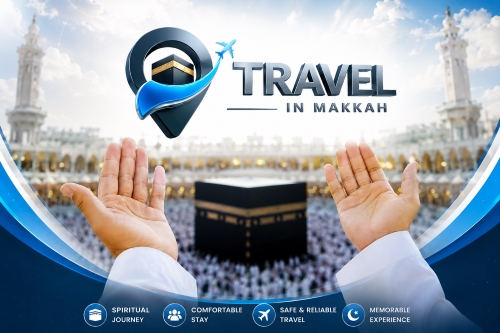
Hajj is one of the greatest acts of worship in Islam and the fifth pillar of the religion. Every year, millions of Muslims from around the world travel to the holy city of Makkah to perform this sacred pilgrimage. For many believers, Hajj is not only a physical journey but also a deep spiritual transformation that changes the heart, mind, and soul.
Among the many expressions associated with this sacred pilgrimage, the term Hajj Mabrur holds a very special place. Muslims often pray for one another saying, “May Allah grant you Hajj Mabrur.” But what exactly does this mean? Why is a successful and accepted Hajj called Hajj Mabrur? What spiritual lessons does it teach?
This article explores the spiritual meaning of completing Hajj and explains why it is known as Hajj Mabrur. It also discusses the signs, rewards, and life-changing impact of an accepted pilgrimage.
Understanding the Meaning of Hajj
The word “Hajj” literally means “to intend” or “to set out for a purpose.” In Islamic terminology, Hajj refers to the pilgrimage to Makkah performed during specific days of the Islamic month of Dhul Hijjah.
Allah made Hajj obligatory upon every Muslim who is physically and financially able to perform it at least once in a lifetime. Allah says in the Quran:
“And pilgrimage to the House is a duty owed to Allah by all who can make their way to it.”
(Surah Aal-Imran 3:97)
Hajj is not merely a journey of rituals. It is a journey toward Allah. It teaches sacrifice, patience, humility, obedience, equality, and complete submission to the Creator.
What Does “Hajj Mabrur” Mean?
The Arabic word Mabrur comes from the root word “Birr,” which means righteousness, goodness, honesty, and obedience to Allah.
Therefore, Hajj Mabrur means:
An accepted Hajj
A righteous Hajj
A Hajj performed sincerely for Allah
A pilgrimage free from sins, showing off, and bad behavior
The Prophet Muhammad ﷺ said:
“The reward for Hajj Mabrur is nothing less than Paradise.”
(Sahih al-Bukhari and Sahih Muslim)
This hadith shows the extraordinary value of an accepted Hajj. Not every Hajj automatically becomes Mabrur. A person may complete all the rituals physically, but true acceptance depends on sincerity, purity of intention, and spiritual transformation.
The Spiritual Purpose of Hajj
1. A Journey of Total Submission to Allah
Every ritual in Hajj symbolizes obedience to Allah. Pilgrims follow commands that were established by Prophet Ibrahim (AS), his wife Hajar, and Prophet Muhammad ﷺ.
For example:
Walking between Safa and Marwah remembers Hajar’s trust in Allah
Sacrificing an animal reflects Ibrahim’s willingness to sacrifice his son for Allah
Wearing simple white garments removes worldly status and pride
Hajj teaches Muslims that true success lies in surrendering completely to Allah’s will.
2. Purification of the Soul
Hajj is often described as a spiritual cleansing. The Prophet ﷺ said:
“Whoever performs Hajj and does not commit any obscenity or wrongdoing will return as free from sins as the day his mother gave birth to him.”
(Sahih al-Bukhari)
This is one of the greatest spiritual gifts of Hajj. Through repentance, prayer, tears, and devotion, the believer seeks forgiveness from Allah.
Pilgrims spend days remembering Allah continuously:
Saying Talbiyah
Making dua
Reciting Quran
Asking forgiveness
The heart becomes softer and more connected to Allah.
3. Equality Among Humanity
One of the most powerful spiritual messages of Hajj is equality.
Millions of Muslims gather in the same place wearing similar white clothing called Ihram. Rich and poor, kings and workers, Arabs and non-Arabs all stand together equally before Allah.
No one is superior except through piety and righteousness.
This reflects the Quranic teaching:
“Indeed, the most noble of you in the sight of Allah is the most righteous among you.”
(Surah Al-Hujurat 49:13)
Hajj removes arrogance and reminds humanity of the Day of Judgment when everyone will stand before Allah equally.
4. Reminder of the Hereafter
The scenes of Hajj strongly remind believers about death and resurrection.
The white Ihram resembles a burial shroud. Standing in the plain of Arafah resembles humanity standing before Allah on the Day of Judgment.
Pilgrims cry, repent, and beg Allah for mercy because they realize the temporary nature of worldly life.
This spiritual awareness changes many people permanently after returning from Hajj.
Why Is It Called Hajj Mabrur?
1. Because It Is Accepted by Allah
The main reason it is called Hajj Mabrur is that Allah accepts it. Acceptance is more important than simply performing rituals.
Allah looks at:
Sincerity
Humility
Honesty
Patience
Good character
A pilgrim whose heart becomes closer to Allah achieves Hajj Mabrur.
2. Because It Changes a Person Spiritually
A true Hajj transforms the believer.
After returning home, the person:
Prays more sincerely
Avoids sins
Treats others kindly
Becomes more humble
Develops stronger faith
Scholars say one sign of Hajj Mabrur is positive change in behavior after Hajj.
If someone returns exactly the same as before, without spiritual improvement, then the purpose of Hajj may not have been fully achieved.
3. Because It Is Free from Sinful Behavior
The Quran says:
“There should be no obscenity, wickedness, or arguing during Hajj.”
(Surah Al-Baqarah 2:197)
A Mabrur Hajj is protected from:
Showing off
Arrogance
Anger
Fighting
Gossip
Dishonesty
The pilgrim focuses only on worship and remembrance of Allah.
The Importance of Sincerity in Hajj
Sincerity (Ikhlas) is the foundation of every accepted deed in Islam.
Some people perform Hajj for social status, praise, or titles. But Allah only accepts worship done purely for Him.
The Prophet ﷺ said:
“Actions are judged by intentions.”
(Sahih al-Bukhari)
A sincere pilgrim performs Hajj seeking:
Allah’s forgiveness
Spiritual purification
Nearness to Allah
Eternal reward
Without sincerity, the spiritual beauty of Hajj disappears.
The Rituals of Hajj and Their Spiritual Meanings
Ihram: Leaving Behind Worldly Pride
Pilgrims wear simple white clothing and avoid luxury. This teaches humility and reminds believers that worldly status has no value before Allah.
Tawaf: Centering Life Around Allah
Pilgrims circle the Kaaba seven times, showing that Allah should be the center of life.
Just as planets revolve around the sun, believers should revolve around the worship and obedience of Allah.
Sa’i Between Safa and Marwah
This act honors Hajar’s trust in Allah while searching for water for her son Ismail.
It teaches patience, effort, and reliance upon Allah during difficulties.
Standing at Arafah
The Day of Arafah is the heart of Hajj.
Pilgrims stand for hours making dua and asking forgiveness. Many scholars say this is the moment when Allah frees countless people from Hellfire.
The Prophet ﷺ said:
“Hajj is Arafah.”
(Sunan al-Tirmidhi)
Stoning the Devil
Throwing stones at the pillars symbolizes rejecting Satan and resisting temptation.
It reminds Muslims to fight against sins and evil desires throughout life.
Sacrifice
The sacrifice commemorates Prophet Ibrahim’s obedience to Allah.
It teaches willingness to sacrifice personal desires for the sake of faith and righteousness.
Signs of Hajj Mabrur
Scholars mention several signs of an accepted Hajj:
1. Positive Change in Character
A person becomes kinder, more patient, and more God-conscious.
2. Increased Worship
The pilgrim continues praying regularly and remembering Allah after returning home.
3. Avoidance of Sin
A transformed heart dislikes sinful behavior and seeks righteousness.
4. Humility
Instead of becoming proud about completing Hajj, the believer becomes more humble.
5. Love for Good Deeds
The person becomes eager to help others, give charity, and maintain good relationships.
The Reward of Hajj Mabrur
The reward for Hajj Mabrur is extraordinary.
The Prophet ﷺ said:
“An accepted Hajj has no reward except Paradise.”
(Sahih Muslim)
This shows that Hajj Mabrur is among the greatest achievements in a Muslim’s life.
Other rewards include:
Forgiveness of sins
Spiritual purification
Closeness to Allah
Inner peace
Strengthened faith
Lessons Muslims Should Carry After Hajj
The true value of Hajj appears after returning home.
A pilgrim should continue:
Remembering Allah
Praying sincerely
Helping others
Living honestly
Avoiding sinful habits
Hajj should not be viewed as the end of worship but as the beginning of a better life.
Hajj as a Universal Message of Unity
Hajj unites Muslims from every race, language, and nationality. It demonstrates the universal brotherhood of Islam.
Millions pray together with one purpose: worshiping Allah.
This unity reflects the beauty of Islam and reminds Muslims that they are part of one global Ummah.
The Emotional Impact of Completing Hajj
Many pilgrims describe Hajj as the most emotional experience of their lives.
Standing before the Kaaba, crying in Arafah, and praying in the sacred places creates unforgettable spiritual memories.
People often return feeling:
Spiritually renewed
Emotionally peaceful
More grateful
More connected to Allah
This emotional transformation is part of the beauty of Hajj Mabrur.
Conclusion
Hajj is far more than a physical journey to Makkah. It is a spiritual rebirth, a journey of repentance, humility, sacrifice, and complete submission to Allah.
A pilgrimage becomes Hajj Mabrur when it is performed sincerely, free from sin and arrogance, and when it transforms the believer into a better servant of Allah.
The greatest sign of Hajj Mabrur is not simply completing the rituals, but returning home with a purified heart, stronger faith, and improved character.
Every Muslim hopes and prays that Allah accepts their pilgrimage and grants them the reward promised by the Prophet Muhammad ﷺ — Paradise itself.
May Allah grant every believer the opportunity to perform Hajj Mabrur and accept all acts of worship. Ameen.
Written by
admin
Sharing insights about pilgrimage, spiritual journeys, and sacred travel experiences.