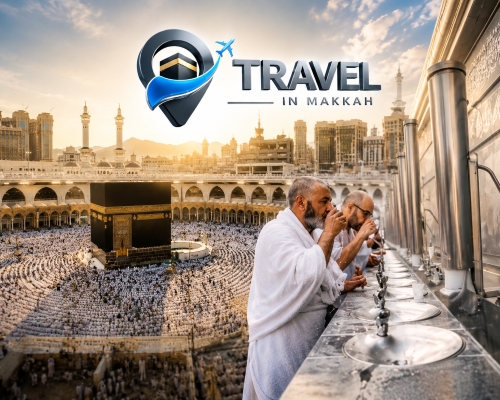
The Zamzam Well is one of the most sacred and miraculous places in Islamic history. Located within the Masjid al-Haram in Makkah, Saudi Arabia, this blessed well has been providing water for thousands of years. Millions of Muslims from around the world drink Zamzam water every year during Hajj and Umrah pilgrimages. For believers, Zamzam is not just ordinary water; it is a symbol of faith, sacrifice, divine mercy, and spiritual purification.
The history of the Zamzam Well goes back to the time of Prophet Ibrahim (Abraham), his wife Hajar (Hagar), and their son Prophet Ismail (Ishmael). The story of Zamzam is deeply emotional and inspirational because it teaches patience, trust in Allah, and the reward of sincere faith. Over centuries, the well became an important part of Islamic culture and tradition. Today, it continues to inspire Muslims and remains one of the greatest miracles associated with the Holy Kaaba.
This article explores the history, significance, symbolism, spiritual importance, and modern relevance of the Zamzam Well in detail.
The Historical Background of Zamzam Well
The Story of Prophet Ibrahim and Hajar
The origin of the Zamzam Well is connected to Prophet Ibrahim (AS), one of the greatest prophets in Islam. Allah commanded Prophet Ibrahim to leave his wife Hajar and their infant son Ismail in the barren desert valley of Makkah. At that time, Makkah was an empty desert with no water, trees, or people.
According to Islamic tradition, Prophet Ibrahim obeyed Allah’s command even though it was emotionally difficult. Before leaving, Hajar asked him:
“Has Allah commanded you to do this?”
When Prophet Ibrahim replied “Yes,” she said:
“Then Allah will never abandon us.”
This statement reflects complete trust and faith in Allah.
After Prophet Ibrahim left, Hajar soon ran out of food and water. Baby Ismail began crying from thirst. Desperate to find water, Hajar ran seven times between the hills of Safa and Marwah searching for help or water. This act later became an important ritual of Hajj and Umrah known as Sa’i.
The Miracle of Zamzam
Allah’s Mercy
While Hajar was searching for water, Allah sent Angel Jibreel (Gabriel). The angel struck the ground with his wing or heel near baby Ismail, and suddenly water began to gush from the earth. Hajar quickly tried to contain the flowing water by saying “Zam Zam,” meaning “stop flowing” or “collect together.”
Thus, the blessed Zamzam Well was born.
This miraculous water saved the lives of Hajar and Ismail. Soon, birds began flying around the area, attracting nearby tribes. The Jurhum tribe eventually settled in Makkah because of the water source. Over time, Makkah developed into an important city and later became the spiritual center of Islam.
Zamzam in Islamic Tradition
Mention in Hadith
Although Zamzam is not directly mentioned by name in the Quran, it is highly praised in many authentic Hadiths of Prophet Muhammad (PBUH).
The Prophet said:
“The water of Zamzam is for whatever it is drunk for.”
This means Muslims believe Zamzam water can bring blessings, healing, spiritual benefits, and fulfillment of sincere prayers.
Another Hadith states:
“Zamzam water is blessed. It is food that nourishes and a cure for illness.”
Because of these teachings, Muslims drink Zamzam water with prayers and good intentions.
Symbolism of the Zamzam Well
Symbol of Faith
The story of Zamzam teaches absolute faith in Allah. Hajar trusted Allah even in the most hopeless situation. She did not give up despite being alone in the desert with her child.
Her faith became the reason for divine mercy.
Muslims today see Zamzam as a reminder that Allah always helps those who trust Him sincerely.
Symbol of Sacrifice
The Zamzam story also symbolizes sacrifice. Prophet Ibrahim sacrificed his comfort and emotions by obeying Allah’s command. Hajar sacrificed her security and struggled tirelessly for her child.
Their sacrifices became honored forever in Islamic history.
Every year during Hajj, Muslims remember these sacrifices through rituals connected to Hajar’s journey between Safa and Marwah.
Symbol of Hope
Zamzam represents hope in times of hardship. When Hajar searched desperately for water, there seemed to be no possibility of survival. Yet Allah created a miracle from the dry desert.
This teaches believers never to lose hope because Allah can create solutions beyond human imagination.
Symbol of Motherhood
Hajar’s struggle is one of the most beautiful examples of motherhood in history. Her love and determination to save her child reflect the strength and sacrifices of mothers everywhere.
Muslims deeply respect Hajar because of her courage, patience, and devotion.
Zamzam and the Development of Makkah
Beginning of Civilization in Makkah
The Zamzam Well transformed an empty desert into a living settlement. Water is essential for human life, and the existence of Zamzam attracted travelers and tribes.
The Jurhum tribe settled near the well and later helped raise Prophet Ismail. As generations passed, Makkah became an important trade and religious center.
Eventually, Prophet Ibrahim and Prophet Ismail built the Holy Kaaba there under Allah’s command.
Without Zamzam, the city of Makkah may never have developed into the spiritual heart of Islam.
Zamzam During the Time of Prophet Muhammad (PBUH)
Restoration of the Well
Over centuries, the Zamzam Well experienced periods of neglect. At one point, it became buried and hidden. Later, Abdul Muttalib, the grandfather of Prophet Muhammad (PBUH), rediscovered the well after seeing repeated dreams guiding him to its location.
This rediscovery strengthened the importance of Zamzam among the Quraysh tribe.
During the lifetime of Prophet Muhammad (PBUH), Zamzam was already highly respected. The Prophet himself drank Zamzam water and encouraged Muslims to do the same.
Scientific Perspective on Zamzam Water
Unique Composition
Many studies have examined the composition of Zamzam water. Researchers found that it contains natural minerals such as calcium, magnesium, sodium, and fluoride.
Muslims believe the uniqueness of Zamzam is not only scientific but also spiritual. Despite millions of visitors consuming it every year, the well continues to provide water without drying up.
This extraordinary continuity increases believers’ faith in the miracle of Zamzam.
Spiritual Importance of Zamzam
During Hajj and Umrah
Drinking Zamzam water is an important Sunnah for pilgrims. Millions of Muslims drink it while performing Hajj and Umrah.
Pilgrims often make personal prayers while drinking Zamzam because they believe sincere duas are accepted.
Many also carry Zamzam water back home to share with family and friends as a blessed gift.
Purification and Healing
Muslims believe Zamzam water can provide spiritual purification and healing. Some drink it while praying for health, knowledge, success, forgiveness, or inner peace.
Although Islam encourages medical treatment, Zamzam is viewed as a spiritual blessing and source of comfort.
Zamzam in Modern Times
Management and Distribution
Today, the Saudi government has developed advanced systems to preserve and distribute Zamzam water safely. The well is carefully monitored using modern technology.
Special purification and cooling systems ensure millions of pilgrims can access clean Zamzam water every year.
Bottled Zamzam water is also distributed internationally to pilgrims after Hajj and Umrah.
Lessons from the Zamzam Story
Patience Brings Reward
Hajar’s story teaches that patience during hardship leads to Allah’s mercy. She continued searching instead of surrendering to despair.
Her effort combined with faith brought miraculous results.
Trust in Allah
One of the greatest lessons from Zamzam is Tawakkul — complete reliance on Allah. Even in impossible situations, believers should trust Allah’s wisdom and help.
Human Effort Matters
Although Allah created the miracle, Hajar still had to struggle and run between Safa and Marwah. This teaches Muslims that effort is necessary alongside prayer and faith.
Zamzam and Islamic Unity
A Shared Spiritual Experience
Muslims from every race, nationality, and culture drink Zamzam water. It creates a sense of unity because all believers share the same spiritual connection to this sacred well.
Whether rich or poor, all pilgrims stand together in Makkah drinking from the same blessed source.
This symbolizes equality and brotherhood in Islam.
Cultural Impact of Zamzam
In Muslim Homes
Many Muslim families keep Zamzam water in their homes for special occasions, illness, or guests. It is treated with respect and gratitude.
People often give Zamzam water as a meaningful gift after returning from pilgrimage.
Conclusion
The Zamzam Well is far more than a source of water. It is a timeless symbol of faith, sacrifice, hope, motherhood, and divine mercy. Its story connects Muslims to the legacy of Prophet Ibrahim, Hajar, and Prophet Ismail.
For over thousands of years, Zamzam has remained one of the greatest miracles in Islamic history. From the desperate search of a mother in the desert to becoming the spiritual lifeline of millions, Zamzam continues to inspire hearts around the world.
The well reminds humanity that Allah’s mercy can appear even in the most hopeless situations. It teaches patience during hardship, trust in divine wisdom, and the importance of perseverance.
Today, every drop of Zamzam water carries a history of faith and a message of spiritual hope. For Muslims everywhere, Zamzam remains a sacred blessing and an eternal symbol of Allah’s compassion.
Written by
admin
Sharing insights about pilgrimage, spiritual journeys, and sacred travel experiences.