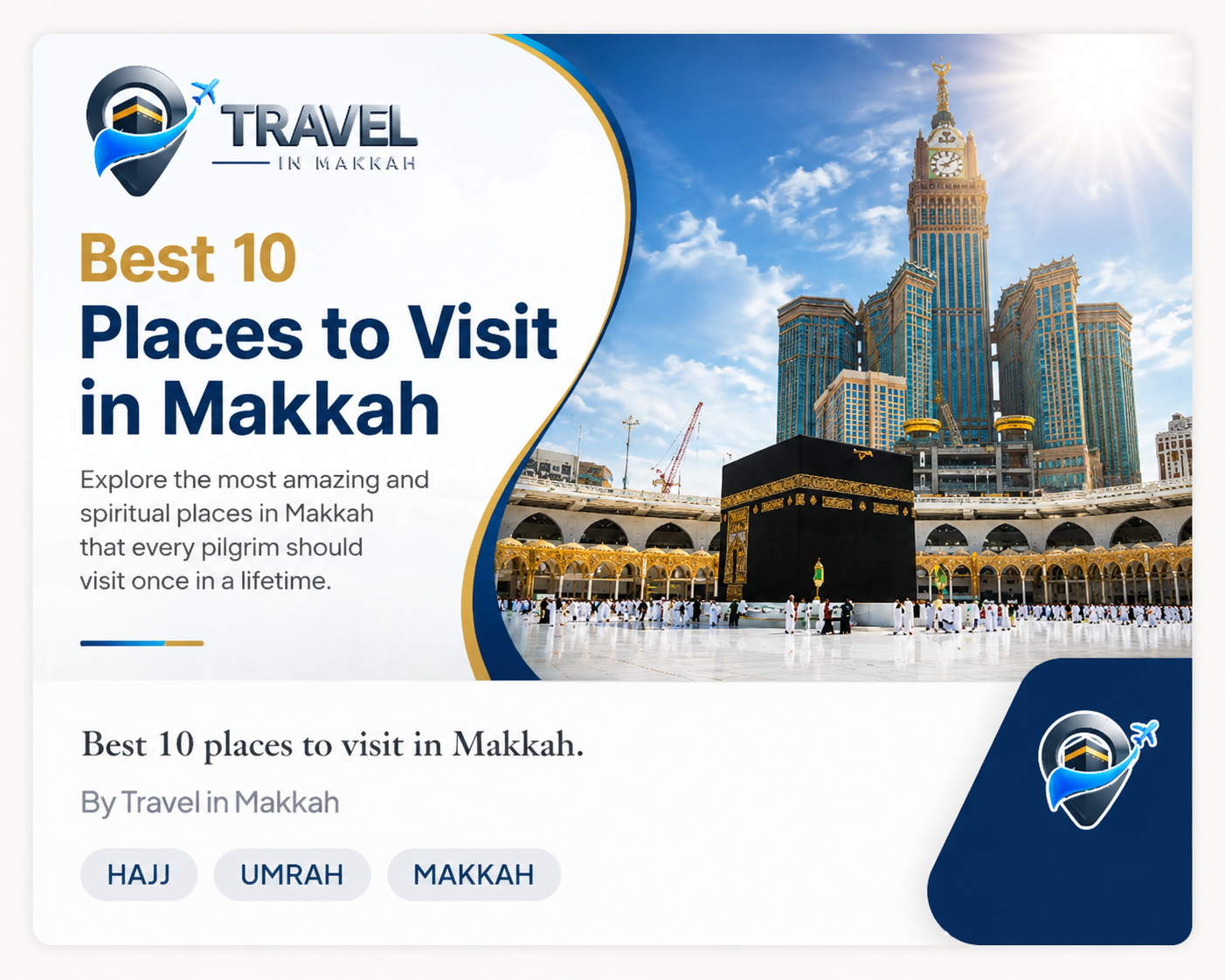
Planning for Hajj or Umrah in 2026 requires more than booking flights and hotels. Every pilgrim entering Saudi Arabia must follow updated visa rules, health regulations, and customs laws issued by Saudi authorities. Understanding these requirements before traveling can help avoid delays, penalties, or entry refusal at airports and border checkpoints.
Saudi Arabia continues to modernize pilgrimage services under Vision 2030, making the process more digital and traveler-friendly. However, strict compliance with official regulations remains essential for all international pilgrims.
This comprehensive guide explains everything pilgrims need to know about Saudi Arabia entry requirements in 2026, including visa procedures, vaccination rules, health recommendations, customs restrictions, airport checks, and important travel advice.
1. Visa Requirements for Hajj and Umrah Pilgrims
Hajj Visa 2026
A Hajj visa is mandatory for all international pilgrims intending to perform Hajj during the official pilgrimage season. Pilgrims cannot perform Hajj using a tourist visa or regular Umrah visa.
Saudi Arabia usually opens Hajj visa applications several months before the pilgrimage season through approved agencies and the official Nusuk Hajj platform.
Key Requirements for Hajj Visa
Pilgrims generally need:
A valid passport with at least 6 months validity
Recent passport-sized photographs
Confirmed return airline ticket
Proof of accommodation in Saudi Arabia
Vaccination certificates
Approved Hajj package booking
Mahram requirements for some travelers (subject to current policies)
Applicants should ensure all information exactly matches passport details to avoid visa rejection.
Umrah Visa 2026
Unlike Hajj, Umrah can be performed throughout most of the year. Pilgrims may enter Saudi Arabia using:
Umrah Visa
Tourist eVisa (eligible countries)
GCC resident visa (where applicable)
Saudi Arabia has expanded digital visa systems, allowing many travelers to apply online without visiting embassies.
Umrah eVisa Benefits
The Saudi eVisa system offers:
Faster approval times
Online application process
Multiple-entry options for eligible travelers
Easier hotel and transport bookings
Pilgrims should always apply through official government platforms or authorized travel agencies.
2. Passport and Documentation Rules
Before traveling, pilgrims must carefully verify all travel documents.
Passport Requirements
Your passport should:
Be valid for at least 6 months from arrival date
Contain blank visa pages
Match all booking information exactly
Damaged passports may result in denied boarding or entry refusal.
Essential Documents to Carry
Pilgrims should keep both digital and printed copies of:
Passport
Visa approval
Flight tickets
Hotel confirmations
Vaccination certificates
Travel insurance
Emergency contact information
Using a waterproof travel folder is highly recommended during Hajj due to crowded conditions.
3. Health Requirements for Pilgrims in 2026
Saudi Arabia places strong emphasis on public health during Hajj and Umrah because millions of pilgrims gather in a limited area.
Mandatory Vaccinations
Meningococcal Vaccine
The quadrivalent meningococcal vaccine (ACYW135) remains mandatory for all Hajj and Umrah pilgrims.
Requirements usually include:
Vaccination within the approved timeframe before travel
Official vaccination certificate
Vaccine issued by recognized medical authorities
Without this certificate, entry may be denied.
COVID-19 Regulations
COVID-19 policies may continue evolving in 2026 depending on global conditions.
Pilgrims should monitor official Saudi announcements regarding:
Vaccination requirements
Booster doses
PCR testing
Health declarations
Travel insurance coverage
Even if restrictions are relaxed, carrying COVID vaccination records remains advisable.
Seasonal Influenza Vaccine
Saudi health authorities strongly recommend flu vaccination, especially for:
Elderly pilgrims
Pregnant women
Individuals with chronic illnesses
People with weakened immunity
The flu vaccine helps reduce infection risks during large gatherings.
Recommended Additional Vaccinations
Doctors may also recommend:
Hepatitis A and B
Polio vaccine
Typhoid vaccine
Routine childhood immunizations
Consulting a travel clinic 4–6 weeks before departure is highly recommended.
4. Medical Fitness for Hajj
Hajj involves significant physical activity including:
Long walking distances
Exposure to high temperatures
Crowded environments
Extended outdoor rituals
Pilgrims with medical conditions should seek physician approval before traveling.
High-Risk Groups
Extra precautions are necessary for:
Elderly travelers
Heart patients
Diabetics
Asthma sufferers
Pregnant women
Carrying sufficient medication for the entire trip is essential.
5. Customs Rules and Restricted Items
Saudi Arabia has strict customs regulations. Pilgrims must avoid carrying prohibited items.
Items Strictly Prohibited
The following are generally banned:
Alcohol
Narcotics
Pornographic materials
Gambling tools
Religious materials intended for distribution
Weapons and sharp objects
Certain medicines without prescription
Violations may result in severe penalties including imprisonment.
Medication Rules
Travelers carrying prescription medication should have:
Original packaging
Doctor’s prescription
Medical report if necessary
Some medications legal in other countries may be restricted in Saudi Arabia.
Currency Declaration
Pilgrims carrying large amounts of cash may need to declare funds upon arrival according to Saudi customs laws.
Using international cards and digital payments is safer than carrying excessive cash.
6. Airport Arrival Procedures
Saudi airports handling pilgrims include:
King Abdulaziz International Airport (Jeddah)
Prince Mohammad Bin Abdulaziz Airport (Madinah)
Pilgrims should expect:
Passport verification
Biometric scanning
Health checks
Customs inspection
Luggage screening
Arrival procedures may take several hours during peak Hajj periods.
7. Nusuk Platform and Digital Services
Saudi Arabia increasingly relies on digital pilgrimage systems.
Nusuk App Features
The Nusuk platform helps pilgrims with:
Permit management
Hotel bookings
Transportation
Ritual scheduling
Crowd management
Guidance services
Pilgrims should install official apps before departure.
8. Travel Insurance Requirements
Travel insurance is becoming increasingly important for pilgrims.
A comprehensive policy should include:
Medical emergencies
Hospital treatment
Flight cancellation
Lost baggage
Emergency evacuation
Some visa categories may already include basic medical insurance.
9. Women Traveling for Hajj and Umrah
Saudi Arabia has eased several travel restrictions in recent years.
Women may now be permitted to perform Hajj or Umrah without a mahram under certain approved group arrangements, depending on nationality and current regulations.
Pilgrims should verify updated requirements with official authorities before booking.
10. Transportation Rules Inside Saudi Arabia
Pilgrims should use licensed transport providers only.
Important Transport Advice
Avoid:
Unauthorized taxis
Unofficial tour operators
Unregistered accommodation services
Using official Hajj transport systems ensures safety and compliance.
11. Accommodation Regulations
Pilgrims should stay only in authorized hotels or camps booked through official packages.
Overcrowding rules are strictly enforced during Hajj season for safety reasons.
Always keep hotel booking confirmations accessible during travel.
12. Weather and Climate Preparation
Saudi Arabia can experience extremely hot temperatures during pilgrimage seasons.
Essential Packing Tips
Pilgrims should pack:
Lightweight clothing
Comfortable walking shoes
Umbrella
Reusable water bottle
Sunscreen
Personal hygiene items
Hydration is critical during Hajj rituals.
13. Financial Preparation for Pilgrims
Pilgrims should prepare a realistic travel budget including:
Visa fees
Accommodation
Transport
Food
Emergency expenses
Shopping
Digital banking services are widely available in Saudi Arabia.
14. Internet and Communication
Mobile connectivity is excellent in Makkah and Madinah.
Pilgrims can buy local SIM cards at airports and shopping centers.
Useful communication apps include:
Google Maps
Nusuk App
Translation apps
Portable power banks are highly recommended.
15. Important Behavioral and Religious Guidelines
Pilgrims must respect Saudi laws and Islamic customs.
Key Etiquette Rules
Avoid:
Public arguments
Photography in restricted areas
Political discussions
Loud behavior near holy sites
Maintaining patience and respect is especially important during crowded periods.
16. Safety Tips for Hajj and Umrah
Large crowds require careful safety awareness.
Recommended Safety Practices
Keep identification with you at all times
Memorize hotel location
Stay with your group
Avoid overcrowded movement areas
Follow official instructions
Pilgrims should save emergency numbers on their phones.
17. Common Mistakes Pilgrims Should Avoid
Many travel issues happen because of simple mistakes.
Frequent Problems Include
Incorrect visa type
Missing vaccine certificates
Overpacking prohibited items
Ignoring hydration
Booking through unauthorized agents
Double-checking requirements before departure prevents many complications.
18. Preparing Spiritually and Mentally
Beyond paperwork and logistics, pilgrims should prepare spiritually for the sacred journey.
Helpful preparation includes:
Learning Hajj and Umrah rituals
Studying duas and prayers
Practicing patience
Understanding pilgrimage etiquette
A well-prepared pilgrim experiences a smoother and more meaningful journey.
Conclusion
Saudi Arabia’s entry requirements for pilgrims in 2026 are designed to ensure safety, organization, and smooth management of millions of visitors arriving for Hajj and Umrah. From obtaining the correct visa to meeting health regulations and respecting customs laws, careful preparation is essential for every pilgrim.
Travelers should rely only on official Saudi government platforms and licensed agencies for the latest updates, since regulations may evolve closer to the pilgrimage season. Preparing early, organizing documents properly, and understanding local rules can help pilgrims focus on the spiritual purpose of their journey without unnecessary stress.
Whether you are planning your first Umrah or preparing for Hajj in 2026, staying informed and compliant with Saudi Arabia’s pilgrimage requirements will help ensure a safe, successful, and spiritually rewarding experience.
Written by
admin
Sharing insights about pilgrimage, spiritual journeys, and sacred travel experiences.