Muzdalifah: The Sacred Station in the Hajj Pilgrimage
Muzdalifah (Arabic: مُزْدَلِفَة) holds an essential place in the Hajj pilgrimage, as it serves as a sacred station for spiritual reflection, prayer, and preparation before the intense rituals of Mina.
Situated just southeast of Mina and between Arafat, Muzdalifah plays a crucial role in the spiritual journey of pilgrims, as outlined in Islamic traditions. This sacred site embodies unity, humility, and devotion, offering pilgrims a chance to purify their hearts and reflect on their sins before continuing their pilgrimage.
Table of Contents
- Muzdalifah: The Sacred Station in the Hajj Pilgrimage
- Geographical and Historical Context
- Muzdalifah in the Quran
- Rituals Performed at MuzdalifahCombining Prayers (Maghrib and Isha)
- Collecting Pebbles for Rami al-Jamarat
- Reflection and Prayer
- The Sacred Mosque: Masjid al-Mash’ar al-Haram
- Spiritual Significance of Muzdalifah
- Practical Details for Pilgrims
- Arabic Ayat and Hadith Related to MuzdalifahAyat from the Quran
- Hadith Related to Muzdalifah
- Conclusion
Geographical and Historical Context
Muzdalifah is located in Saudi Arabia, specifically in the Hejazi region, just southeast of Mina, covering an area of 12.25 square kilometers and stretching about four kilometers in length. It serves as the midway point between Arafat and Mina, two other significant sites in the Hajj journey. Pilgrims arrive here after sunset on the 9th Dhul-Hijjah, following their day at Arafat, where they have spent the day in prayer, supplication, and seeking forgiveness from Allah (ﷻ).
Historically, Muzdalifah was known as the site where the Hums (the Quraysh, Banu Kinanah, Banu Khuza'a, and Banu 'Amir tribes) used to camp before Islam, refusing to travel to Mount Arafat with the other Arabs. However, after the advent of Islam, the Quran explicitly reprimanded these tribes and instructed them to join the rest of the pilgrims. This directive is mentioned in Surah Al-Baqarah (2:199).
Muzdalifah in the Quran
Allah (ﷻ) mentions Muzdalifah in the Quran in Surah Al-Baqarah (2:198):
“When you leave Arafat, then remember Allah at the Mash’arul Haram.”
This verse refers to Muzdalifah, marking it as a Sacred Monument. It is here that pilgrims pause for remembrance and spiritual reflection before moving on to the final stages of Hajj.
The word Mash’arul Haram (المشعر الحرام) translates to "The Sacred Monument" and refers to Muzdalifah, a place of great importance where pilgrims are encouraged to glorify Allah (ﷻ) and reflect on their actions.
Rituals Performed at Muzdalifah
Upon arrival at Muzdalifah, pilgrims engage in various spiritual practices, which are critical components of the Hajj pilgrimage.
1. Combining Prayers (Maghrib and Isha)
One of the essential rituals in Muzdalifah is the combination of Maghrib and Isha prayers. Pilgrims perform both prayers in one sitting, at the time of Isha, following the Sunnah of the Prophet Muhammad (PBUH) during his Farewell Hajj. The Isha prayer is shortened to two rakats, as is customary when prayers are combined during Hajj. This act of performing both prayers together is an important spiritual practice and marks the beginning of the pilgrim’s stay in Muzdalifah.
The Prophet Muhammad (PBUH) prayed at the site of the Masjid al-Mash’ar al-Haram (the Sacred Mosque) in Muzdalifah and said:
"Although I am staying here, you may stay anywhere throughout Muzdalifah." (Sahih Muslim)
2. Collecting Pebbles for Rami al-Jamarat
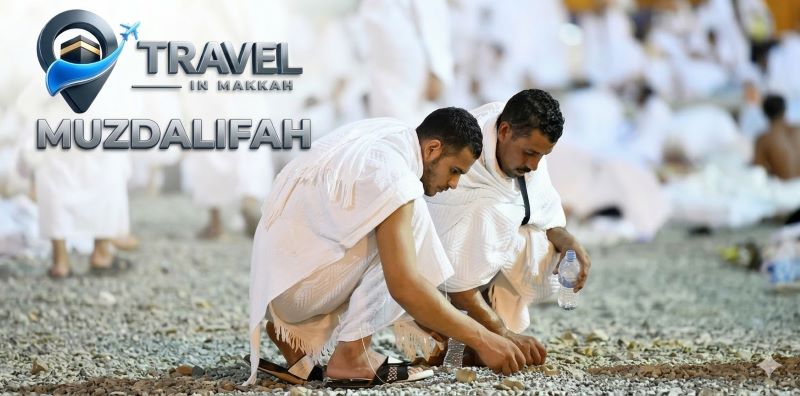
Muzdalifah is also the site where pilgrims collect pebbles for the Rami al-Jamarat (stoning of the pillars) ritual at Mina. Pilgrims collect 49-70 pebbles, and although pebbles can be collected from anywhere, it is recommended to collect them from Muzdalifah. Each pebble represents the rejection of sin and the forces of evil, and as pilgrims throw them at the Jamarat (the symbolic pillars of Shaytan), they purify their souls by casting away their bad habits and past sins.
The collection of pebbles is a symbolic act of spiritual purification and a reminder of the struggle against evil. It is often said that with each stone picked, the pilgrim reflects on their wrongdoings and resolves to throw their sins away.
3. Reflection and Prayer
Muzdalifah offers a unique opportunity for spiritual reflection. Pilgrims are encouraged to reflect on their lives, ask for forgiveness, and prepare themselves spiritually for the remaining rites of Hajj. The simplicity of the environment—sleeping under the stars, with no distinctions based on wealth or status—reminds all pilgrims of the equality that exists before Allah (ﷻ).
Pilgrims spend the night in quiet reflection, supplicating to Allah (ﷻ) and seeking mercy. The night under the open sky fosters a sense of humility and connection with Allah, creating a deep sense of inner peace and spiritual renewal.
The Sacred Mosque: Masjid al-Mash’ar al-Haram
At the heart of Muzdalifah lies Masjid al-Mash’ar al-Haram, the Sacred Mosque, which holds a special place in the hearts of pilgrims. It is the place where Prophet Muhammad (PBUH) prayed during his Farewell Hajj. The Quran refers to this mosque and its location as the Mash’ar al-Haram (the Sacred Monument).
This mosque is open-roofed, symbolizing the connection between the pilgrim and Allah under the vast expanse of the heavens. Pilgrims perform the Fajr prayer here before heading to Mina for the stoning of the pillars on the 10th of Dhul-Hijjah. It serves as a place of devotion and remembrance, marking the end of the spiritual preparation for the remaining rites of Hajj.
Spiritual Significance of Muzdalifah
The spiritual journey at Muzdalifah is profound. As pilgrims reflect and engage in prayer and supplication, they are reminded of the transience of life and the importance of purifying the heart. The time spent here is not only about physical rest, but it is a moment to re-evaluate one’s relationship with Allah (ﷻ), seek forgiveness, and renew resolutions for the future.
This station also reflects the equality of all pilgrims, regardless of their social status. The pilgrims sleep under the same sky, united in their worship of Allah, with no distinctions between rich and poor, demonstrating the core value of humility in Islam.
Practical Details for Pilgrims
While Muzdalifah lacks permanent tents, modern facilities have been provided for pilgrims, including water stations, restrooms, and medical units. Despite the simple surroundings, pilgrims are well taken care of during their stay.
Essentials to bring:
- Flashlight
- Charged phone
- Sleeping mats or blankets
- Pebble collection bags
Pilgrims are advised to stay with their group and follow the marked paths to ensure safety and ease of navigation.
Arabic Ayat and Hadith Related to Muzdalifah
Ayat from the Quran:
- Surah Al-Baqarah 2:198 – “When you leave Arafat, then remember Allah at the Mash’arul Haram.”
- This verse highlights the importance of Muzdalifah as the place of remembrance after Arafat, marking the beginning of the transition from the spiritual highs of Arafat to the significant rituals of Mina.
Hadith Related to Muzdalifah:
- Sahih Muslim: "Although I am staying here, you may stay anywhere throughout Muzdalifah."
- This hadith, narrated by the Prophet Muhammad (PBUH), indicates that the location of prayer is significant, but the essence of the ritual lies in the spiritual focus and connection to Allah (ﷻ).
SEO Keywords and Phrases:
- Muzdalifah in Hajj
- Spiritual significance of Muzdalifah
- Maghrib and Isha prayers at Muzdalifah
- Rami al-Jamarat
- Masjid al-Mash’ar al-Haram
- Pebble collection at Muzdalifah
- Hajj rituals and reflection
- Sacred Monument of Muzdalifah in Quran
- Hajj pilgrimage 2026
- The Sacred Grove in Muzdalifah
- Hadiths and Quranic verses on Muzdalifah
Conclusion
Muzdalifah serves as an essential part of the Hajj pilgrimage, offering pilgrims a moment of spiritual reflection, purification, and renewal. From the combined prayers of Maghrib and Isha, to the collection of pebbles, to the humble rest under the stars, Muzdalifah symbolizes the essence of humility, devotion, and unity among all Muslims. The Quranic verses and hadiths that reference this sacred site underline its importance, reminding pilgrims of the core values of equality and purification in Islam. This sacred station provides pilgrims with the necessary spiritual preparation for the final stages of Hajj, allowing them to embark on the stoning of the Jamarat and the ultimate worship of Allah (ﷻ).
visit our home page
Written by
Travel in Makkah
Sharing insights about pilgrimage, spiritual journeys, and sacred travel experiences.