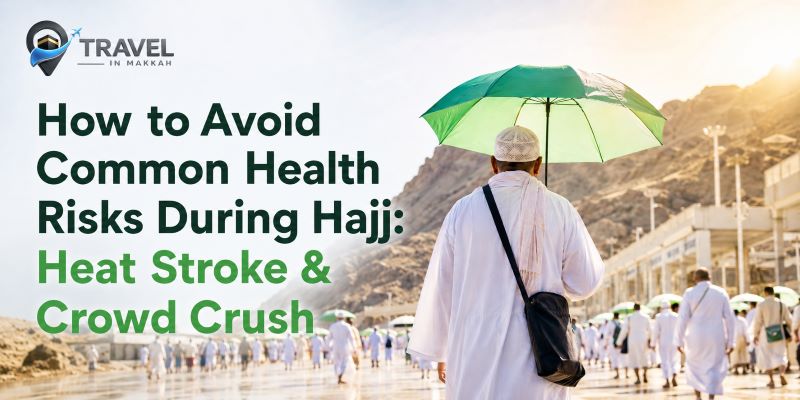
How to Avoid Common Health Risks During Hajj: Heat Stroke & Crowd Crush
Hajj is one of the most important journeys in a Muslim’s life. It is a journey of faith, patience, sacrifice, and عبادة. But Hajj is also physically demanding. Pilgrims walk long distances, stand for long hours, move between crowded holy sites, and perform rituals under intense heat. Because of this, health preparation is not something small. It is a serious part of planning a safe and peaceful Hajj.
Two of the most common and serious health risks during Hajj are heat-related illness and crowd-related injury. Heat exhaustion, heat stroke, dehydration, fainting, respiratory infections, foot injuries, and crowd crush can happen when pilgrims are tired, exposed to the sun, separated from their group, or moving in very dense crowds.
The good news is that many of these risks can be reduced with proper planning, official guidance, and simple daily precautions.
Why Health Risks Increase During Hajj
Hajj brings millions of Muslims to Makkah and the holy sites within a short time. Pilgrims move between Masjid al-Haram, Mina, Arafat, Muzdalifah, and Jamarat according to specific Hajj days and schedules. This creates heavy movement, long waiting times, transport delays, and crowded pathways.
Heat is also a major concern. The CDC warns that heat exhaustion and heatstroke can cause serious illness or death among Hajj and Umrah travelers, especially when Hajj occurs during very hot months. It also notes that average high temperatures from June to September can reach 43°C or higher, and more than 1,300 heat-related deaths were recorded during the 2024 Hajj.
This does not mean pilgrims should be afraid. It means pilgrims should prepare wisely, follow official instructions, and avoid unnecessary risks.
1. Protect Yourself from Heat Stroke
Heat stroke is one of the most dangerous health emergencies during Hajj. It happens when the body becomes too hot and can no longer cool itself properly. Warning signs may include confusion, fainting, very high body temperature, dry or very hot skin, severe weakness, dizziness, fast heartbeat, or loss of consciousness.
Heat exhaustion can happen before heat stroke. Symptoms may include heavy sweating, headache, nausea, tiredness, muscle cramps, dizziness, and weakness. If ignored, heat exhaustion can become life-threatening.
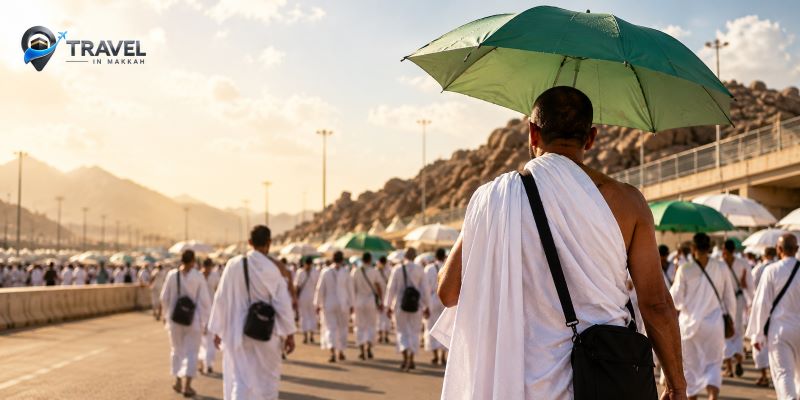
The Saudi Ministry of Health advises pilgrims to use umbrellas when moving between holy sites, drink water frequently even when they are not thirsty, and wear light, breathable, light-colored clothing to reduce heat absorption.
Practical safety tips:
Use an umbrella when walking outdoors. Stay in shaded areas whenever possible. Avoid sitting directly under the sun. Rest inside air-conditioned tents, buses, hotels, or shaded waiting areas. Do not walk long distances under the sun unless it is necessary.
Rest is not laziness during Hajj. Rest helps you complete your rituals safely.
2. Drink Water Before You Feel Thirsty
Dehydration is very common during Hajj. Many pilgrims walk for hours, sweat heavily, and forget to drink enough water. Dehydration can lead to dizziness, headache, weakness, fainting, kidney strain, and heat illness.
The Ministry of Health specifically advises pilgrims not to wait until they feel thirsty before drinking fluids. It also advises avoiding drinks with added sugar and caffeine because they can contribute to fluid loss.
Drink small amounts of water often. Do not drink a very large amount at once and then ignore water for hours. Keep a water bottle with you whenever possible. Drink before walking, while waiting, and after reaching your destination.
If you sweat a lot, ask your doctor or group medical team whether oral rehydration salts are suitable for you. This is especially important if you have diabetes, kidney disease, heart disease, or high blood pressure.
3. Avoid Peak Heat Hours When Possible
One of the smartest ways to avoid heat illness is to reduce movement during the hottest part of the day. Saudi health authorities have warned pilgrims to limit sun exposure during peak heat hours and stay cool as much as possible.
When your Hajj schedule allows, try to walk during cooler hours. Follow your group leader’s plan. Do not leave your tent or hotel unnecessarily in the afternoon heat. If your group has arranged transport, use it instead of walking long distances.
Some pilgrims think they are showing strength by walking more than necessary. But during Hajj, wisdom is better than unnecessary hardship. Your goal is to complete your عبادة correctly and safely.
4. Know If You Are High Risk
Some pilgrims need extra care. Elderly pilgrims, pregnant women, children, and people with chronic illnesses are more vulnerable during Hajj. This includes people with diabetes, heart disease, asthma, kidney disease, high blood pressure, obesity, or mobility problems.
WHO advises older pilgrims to avoid direct sun exposure and drink enough water. It also advises pilgrims who take medicines that may worsen dehydration, such as diuretics, to consult their doctor before travelling for Hajj.
Before travelling, visit a doctor if you have any medical conditions. Carry enough medicine for the full journey, plus extra in case of delays. Keep medicines in the original packaging. Carry a prescription or medical summary. If your medicine needs cooling, ask your Hajj group how to store it safely.
Diabetic pilgrims should carry quick sugar sources, check their blood sugar regularly, and avoid long gaps without food.
5. Follow Official Crowd Movement Plans
Crowd crush is different from normal crowding. It can happen when too many people enter a narrow space, when movement suddenly stops, or when people push from behind. In such situations, breathing can become difficult, and people may fall.
The best way to reduce crowd risk is to follow official routes, official schedules, group instructions, and assigned times. Do not try to perform rituals at the busiest time just because you want to finish quickly. Do not use shortcuts. Do not follow random advice from unknown people.
At Jamarat, Tawaf, Sa’i, Mina, and transport points, stay with your group. If your group leader says to wait, wait. A delay is safer than entering a dangerous crowd.
6. What to Do If You Are Stuck in a Dense Crowd
If you find yourself in a very tight crowd, stay calm. Do not push. Do not shout unless you need urgent help. Keep your arms close to your chest to protect breathing space. Move with the crowd slowly instead of fighting against it.
Do not bend down to pick up dropped items. A phone, a sandal, or a bag can be replaced, but your life cannot. If you fall, try to curl on your side and protect your head. If someone near you falls, alert others and help only if it is safe.
Avoid stopping in the middle of a moving crowd. Do not take selfies in dense areas. Do not block pathways. Do not argue with other pilgrims. Patience and calm behavior can protect many people, not only you.
7. Protect Your Feet During Long Walking
Foot problems are common during Hajj. Blisters, cuts, swelling, and foot pain can make the journey very difficult. Wear comfortable footwear that you have already used before Hajj. Do not wear brand-new sandals for the first time during Hajj.
For men in Ihram, footwear should follow the Ihram rules. Choose suitable sandals early and practice walking in them before travel. Women should also choose comfortable footwear that supports long walking.
Carry blister plasters, small bandages, and basic wound care items. Keep your feet clean and dry when possible. A small foot injury can become painful because of heat, sweat, dust, and long walking.
8. Eat Light and Safe Food
Heavy meals can make you tired, thirsty, and uncomfortable. During Hajj, eat simple, clean, and light food. Avoid food that smells unusual, has been left open too long, or may upset your stomach.
Eat small meals instead of one very heavy meal. Carry safe snacks such as dates, biscuits, nuts, or simple energy foods if they suit your health condition. If you have diabetes, follow your doctor’s meal plan carefully.
Food poisoning or diarrhea during Hajj can quickly cause dehydration. So wash your hands before eating, avoid sharing bottles or utensils, and choose clean food sources.
9. Reduce Infection Risk
Respiratory infections spread easily in crowded places. The Ministry of Hajj and Umrah health guidance advises pilgrims to wear masks in crowded places, wash hands frequently, use tissues when coughing or sneezing, and receive recommended vaccinations before Hajj.
Use hand sanitizer when water is not available. Avoid touching your eyes, nose, and mouth with unclean hands. Do not share towels, cups, razors, or personal items.
If you feel sick, inform your group leader or doctor early. Do not wait until symptoms become severe.
10. Use Only Official Hajj Arrangements
Unofficial Hajj travel can increase health risks. Pilgrims without proper permits may lose access to organized tents, transport, cooling areas, food distribution, and medical support. During extreme heat, these services can be life-saving.
Always use approved Hajj channels, authorized agencies, and official permits. Follow the Saudi authority instructions and your group’s movement plan. A cheaper unofficial option can become dangerous during the most crowded and hottest days of Hajj.
How Travel in Makkah Helps Pilgrims Prepare for a Safer Hajj
Travel in Makkah helps pilgrims understand Hajj and Umrah with simple, practical, and reliable guidance. Many first-time pilgrims feel confused about heat safety, crowd movement, hotel distance, transport, packing, official rules, and what to do in difficult situations.
That is why preparation before travelling is so important. Travel in Makkah provides helpful guides, safety tips, packing advice, and Hajj-related travel information so pilgrims can plan their journey with more confidence.
For Hajj, pilgrims should always follow official instructions from Saudi authorities, their approved Hajj agency, and their group leader. Travel in Makkah supports that preparation by explaining important topics in easy language, such as how to avoid heat stroke, what to carry during Hajj, how to stay safe in crowds, and how to manage the physical challenges of the journey.
A safe Hajj begins before the journey starts. When pilgrims learn the risks early, prepare the right items, and understand what to do in emergencies, they can protect their health and focus more deeply on worship.
Final Hajj Health Safety Checklist
Before Hajj, visit your doctor if you have any chronic illnesses. Pack your medicines, prescription, umbrella, water bottle, comfortable footwear, mask, sanitizer, light snacks, sunscreen if suitable, and emergency contact card.
During Hajj, drink water regularly, avoid direct sun, rest often, follow your group schedule, avoid pushing in crowds, eat light meals, wash your hands, and seek medical help early if you feel unwell.
Most importantly, remember that Hajj is not a race. Move calmly. Be patient. Follow official guidance. Take rest when needed. Protecting your health helps you complete your Hajj with focus, safety, dignity, and peace.
FAQ
What is the biggest health risk during Hajj?
Heat-related illness is one of the biggest risks, especially heat exhaustion and heat stroke. Crowd-related injury is also a major concern during busy movement between holy sites.
How can I avoid heat stroke during Hajj?
Use an umbrella, avoid direct sun, drink water regularly, rest in shade or air-conditioned areas, avoid unnecessary walking in peak heat, and seek help immediately if you feel dizzy, confused, weak, or faint.
What should I do if I feel sick during Hajj?
Stop walking, move to shade or a cool area, drink water if you are conscious and able, inform your group leader, and seek medical help quickly.
How can elderly pilgrims stay safe during Hajj?
Elderly pilgrims should avoid direct sun, stay close to their group, drink water often, use transport when available, carry medicines, and avoid entering very crowded areas at peak times.
Is crowd crush avoidable during Hajj?
The risk can be reduced by following official schedules, staying with your group, avoiding shortcuts, not pushing, and avoiding the busiest times whenever possible.
Written by
admin
Sharing insights about pilgrimage, spiritual journeys, and sacred travel experiences.