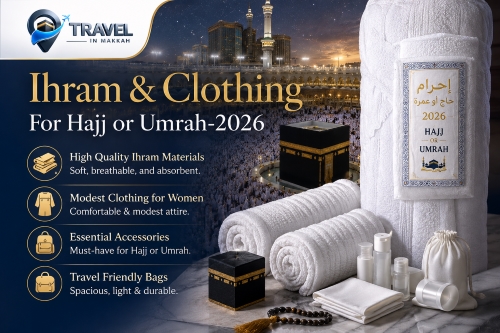
Masjid al-Haram, also known as the Grand Mosque in Makkah, is the holiest mosque in Islam and the spiritual center of the Muslim world. Every year, millions of Muslims travel to Makkah to perform Hajj and Umrah. Due to the rapidly increasing number of pilgrims, Saudi Arabia has been carrying out one of the largest mosque expansion projects in modern history. By 2026, the expansion of Masjid al-Haram has become a major symbol of Saudi Arabia’s Vision 2030, combining Islamic heritage, modern engineering, technology, and infrastructure development.
The expansion project is not only about increasing space; it is also about improving safety, comfort, transportation, crowd management, and spiritual experience for worshippers. Saudi Arabia aims to accommodate more than 30 million Umrah pilgrims annually in the coming years, and the modernization of Masjid al-Haram is at the center of this goal.
Historical Background of Masjid al-Haram Expansion
Masjid al-Haram has gone through many expansions throughout Islamic history. During the era of Caliph Umar ibn al-Khattab and Caliph Uthman ibn Affan, the mosque area was enlarged to accommodate the growing Muslim population. Later, the Umayyads, Abbasids, Ottomans, and modern Saudi rulers continued improving the mosque.
The first major Saudi expansion began in 1955 under King Saud. This expansion introduced modern architecture, marble flooring, and additional prayer spaces. Later, King Fahd expanded the mosque further in the 1980s and 1990s by adding new gates, escalators, air-conditioning systems, and prayer halls.
However, the current “Third Saudi Expansion,” launched during King Abdullah’s reign in 2011 and continued under King Salman and Crown Prince Mohammed bin Salman, is the largest expansion ever undertaken in the history of Masjid al-Haram.
Vision Behind the Expansion
Saudi Arabia’s leadership believes that serving pilgrims is one of the Kingdom’s most important responsibilities. The expansion project aims to:
Increase mosque capacity
Improve pilgrim safety
Reduce overcrowding
Enhance transportation systems
Provide modern facilities
Support Saudi Vision 2030 tourism goals
Improve accessibility for elderly and disabled worshippers
According to Saudi authorities, the expansion is designed to increase the mosque’s total area from around 414,000 square meters to approximately 1.56 million square meters.
The final target is to allow over 2.5 million worshippers to pray simultaneously during peak seasons such as Hajj and Ramadan.
Major 2026 Updates in the Expansion Project
1. Massive Increase in Prayer Areas
One of the most important developments in 2026 is the continued expansion of prayer spaces around the Kaaba. Saudi Arabia has constructed new multi-level prayer halls capable of accommodating hundreds of thousands of additional worshippers.
The new northern expansion includes large shaded prayer areas, advanced cooling systems, and modern Islamic architectural designs inspired by traditional Haram aesthetics.
The expanded outdoor plazas now allow worshippers to pray comfortably even during peak crowd periods.
2. Expanded Mataf Area Around the Kaaba
The Mataf area, where pilgrims perform Tawaf around the Kaaba, has been significantly enlarged. Engineers redesigned the surrounding structure to improve crowd movement and reduce congestion.
Saudi Arabia introduced:
Multi-level Tawaf areas
Improved marble flooring
Better entry and exit routes
Advanced crowd-control systems
The expansion has made Tawaf safer and faster for pilgrims, especially during Hajj season when millions gather in a limited space.
3. New Gates and Entrances
In 2026, Saudi officials highlighted the modernization of several major gates including:
King Abdulaziz Gate
Al-Fath Gate
Umrah Gate
These gates feature:
Stainless steel structures
Gold-plated decorations
Carbon-fiber architectural elements
High-tech security systems
The gates are designed to improve pilgrim flow and reduce bottlenecks during busy periods.
4. Smart Technology and AI Crowd Management
One of the most remarkable aspects of the 2026 updates is the use of smart technology.
Saudi Arabia has introduced:
AI-powered surveillance systems
Smart crowd monitoring
Digital navigation tools
Smart pilgrim guidance systems
Electronic permits and Nusuk applications
These technologies help authorities monitor crowd density in real time and quickly respond to emergencies.
Digital transformation has become a major part of the pilgrimage experience under Vision 2030.
5. Advanced Cooling Systems
Makkah’s temperatures can become extremely high, especially during summer Hajj seasons. To improve comfort, Saudi Arabia has expanded air-conditioning systems throughout Masjid al-Haram.
Modern cooling technologies now include:
Giant cooling stations
Advanced ventilation systems
Air purification technology
Heat-resistant marble flooring
The mosque’s cooling system is considered one of the largest in the world.
6. Improved Accessibility for Elderly and Disabled Pilgrims
Saudi Arabia has also focused on making the Haram more accessible.
New developments include:
Wheelchair-friendly pathways
Dedicated prayer halls for disabled worshippers
Electric carts
Elevators and escalators
Smooth ramps
These improvements ensure that elderly pilgrims and people with disabilities can perform rituals more comfortably.
7. Transportation and Infrastructure Development
The expansion of Masjid al-Haram is connected to larger infrastructure projects across Makkah.
Key developments include:
Haramain High-Speed Railway
Expanded road networks
Underground tunnels
New pedestrian bridges
Massive parking areas
The goal is to improve access between Jeddah, Madinah, and Makkah while reducing traffic congestion around the Haram.
8. Expansion of Service Facilities
Saudi Arabia has also expanded support facilities surrounding the mosque.
These include:
Emergency hospitals
Ablution areas
Public restrooms
Water distribution systems
Prayer terraces
Security control centers
Reports in 2026 mention that new service areas cover more than 625,000 square meters.
Role of Vision 2030
The expansion project directly supports Saudi Arabia’s Vision 2030 plan, which aims to diversify the economy beyond oil.
Religious tourism is expected to become a major source of revenue. Saudi Arabia hopes to attract:
30 million Umrah pilgrims annually
Millions of international tourists
Global investment in tourism and hospitality
Masjid al-Haram is therefore not only a religious center but also a key part of the Kingdom’s economic transformation strategy.
Economic Impact of the Expansion
The Grand Mosque expansion has generated enormous economic activity.
Benefits include:
Thousands of construction jobs
Growth in hotels and hospitality
Increased transportation demand
Retail and shopping development
Tourism investment opportunities
Large hotel complexes, shopping centers, and transportation hubs have emerged around the Haram area to serve pilgrims from around the world.
Architectural Beauty and Islamic Design
Despite modern construction methods, Saudi Arabia has tried to preserve Islamic architectural identity.
Features include:
Large Islamic arches
Elegant minarets
Gold-plated decorations
Marble craftsmanship
Giant chandeliers
Traditional calligraphy
The mosque combines historical Islamic aesthetics with advanced engineering.
Challenges and Criticism
Although the expansion has been praised, it has also faced criticism.
Some concerns include:
Demolition of historical buildings
Loss of Ottoman-era heritage
Commercialization around sacred sites
Construction-related disruptions
Critics argue that some historic Islamic landmarks near the Haram have disappeared due to modernization projects.
However, Saudi authorities maintain that expansion is necessary to safely accommodate the growing number of pilgrims.
Environmental and Sustainability Measures
Saudi Arabia has also introduced environmentally focused improvements.
These include:
Energy-efficient cooling systems
LED lighting technology
Water recycling systems
Smart energy management
Modern lighting installations inside the Haram use high-efficiency systems designed to reduce energy consumption while maintaining beauty and brightness.
Safety Improvements
Safety has become a top priority after past incidents involving overcrowding and accidents.
New measures include:
Emergency evacuation systems
Real-time surveillance
Fire protection technology
Crowd flow simulations
Dedicated emergency response teams
Authorities continuously monitor crowd movement to prevent dangerous congestion.
Future Plans Beyond 2026
Saudi Arabia continues working on additional phases of expansion.
Future plans may include:
Further transportation integration
More smart technologies
Additional hotels and accommodations
Enhanced pilgrim services
Larger public spaces around Haram
The Kingdom aims to make the pilgrimage experience smoother, safer, and spiritually fulfilling for millions of Muslims worldwide.
Conclusion
The expansion of Masjid al-Haram in 2026 represents one of the greatest engineering and religious infrastructure projects in the modern world. Saudi Arabia is investing billions of dollars to transform the Grand Mosque into a safer, smarter, and more accessible place for pilgrims.
The project combines Islamic tradition with cutting-edge technology, reflecting both spiritual importance and national development goals under Vision 2030. From expanded prayer areas and advanced cooling systems to AI crowd management and transportation upgrades, every aspect of the project is designed to improve the experience of Hajj and Umrah pilgrims.
Although the expansion has raised debates about heritage preservation and commercialization, it remains a historic achievement that demonstrates Saudi Arabia’s commitment to serving millions of Muslims who visit the holiest site in Islam every year.
As construction and modernization continue, Masjid al-Haram is expected to remain not only the spiritual heart of Islam but also one of the most remarkable examples of modern religious architecture and urban planning in the world
Written by
admin
Sharing insights about pilgrimage, spiritual journeys, and sacred travel experiences.