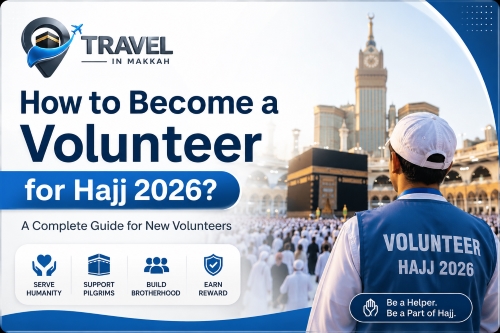
For many new Muslims, performing Hajj is more than a journey — it is a life-changing spiritual experience filled with emotion, hope, and devotion. Hajj is one of the Five Pillars of Islam and is required once in a lifetime for every Muslim who is physically and financially able. Every year, millions of Muslims travel to Makkah in Saudi Arabia to complete this sacred pilgrimage. In 2026, Hajj is expected to take place around late May or early June, depending on the moon sighting. For converts to Islam, Hajj can feel both exciting and overwhelming. Many new Muslims worry about language barriers, rituals, travel requirements, and whether they will perform everything correctly. The good news is that Hajj is a journey of sincerity, not perfection. Allah looks at the intention and effort of the believer. With preparation, patience, and knowledge, converts can experience one of the most beautiful moments of their lives.
Understanding the Meaning of Hajj
Hajj is not simply a trip or religious vacation. It is an act of worship that teaches humility, equality, sacrifice, and obedience to Allah. Pilgrims wear simple white garments called Ihram, removing signs of wealth, nationality, or social status. During Hajj, everyone stands equal before Allah regardless of race, culture, or background. For converts, this experience can be deeply emotional because many are entering a global Muslim community for the first time. Hajj reminds believers that Islam is a universal religion welcoming people from every nation and every stage of life.
Is Hajj Mandatory for New Muslims?
Hajj becomes obligatory only when a Muslim fulfills certain conditions:
- Being Muslim
- Being mentally sound
- Reaching adulthood
- Having physical ability
- Having financial ability
A convert does not need to rush into Hajj immediately after accepting Islam. If finances, health, family responsibilities, or travel limitations make it difficult, there is no sin in waiting until the person is capable. Islam is a religion of ease and mercy.
Hajj 2026 Registration Process
Saudi Arabia now manages most Hajj applications through the official Nusuk Hajj platform. International pilgrims must register online, choose approved Hajj packages, upload documents, and complete payments digitally.
Important Steps for 2026
- Create a Nusuk Hajj account
- Upload passport and identification documents
- Select a Hajj package
- Complete health and vaccination requirements
- Receive Hajj permit approval
- Finalize travel and accommodation details
The Saudi Ministry of Hajj and Umrah has emphasized that only official Hajj permits are accepted. Tourist visas or regular visit visas cannot be used for Hajj. Converts should avoid unofficial travel agents or suspicious offers online. Always use licensed agencies or the official Nusuk platform. Required Documents for Hajj 2026.
Although requirements vary slightly by country, most pilgrims will need:
- A valid passport
- Passport-sized photos
- Proof of vaccination
- Hajj visa approval
- Travel insurance
- Emergency contact information
Saudi authorities may also require additional health documents depending on the pilgrim’s country of residence.
Health Requirements and Vaccinations
The Saudi Ministry of Health issues official Hajj health guidelines every year. For 2026, mandatory vaccinations include meningococcal vaccine, while Covid-19 and seasonal influenza vaccinations are strongly recommended or required in certain situations. Some travelers may also need yellow fever or polio vaccinations.
Converts preparing for Hajj should:
- Visit a doctor months before travel
- Walk regularly to build stamina
- Stay hydrated during travel
- Learn basic heat safety
- Carry personal medications
Hajj involves long walking distances, crowded spaces, and hot weather conditions. Physical preparation is very important.
Learning the Rituals Before You Go
One of the biggest fears among converts is making mistakes during Hajj rituals. However, Islam teaches that Allah is Merciful and understands human limitations. The best way to prepare is to study the main rituals beforehand:
Main Rituals of Hajj
- Entering the state of Ihram
- Performing Tawaf around the Kaaba
- Walking between Safa and Marwah
- Standing at Arafah
- Spending time in Muzdalifah
- Stoning the Jamarat
- Animal sacrifice
- Final Tawaf
Watching videos, attending mosque classes, reading Hajj guides, or traveling with experienced Muslims can make the process easier.Many converts also benefit from joining organized Hajj groups designed specifically for English-speaking pilgrims or new Muslims.
Understanding Ihram
Ihram is the sacred state entered before beginning Hajj rituals. Men wear two simple white cloths, while women wear modest Islamic clothing without specific colors required. Ihram symbolizes purity, simplicity, and devotion to Allah. Certain actions become prohibited during Ihram, including:
- Arguing
- Fighting
- Using perfume
- Cutting hair or nails
- Hunting animals
For converts, learning these rules before departure helps avoid confusion during the pilgrimage.
Emotional Challenges Converts May Face
Hajj can bring strong emotions for converts. Some may feel lonely if their families are not Muslim. Others may worry about fitting in with experienced pilgrims. These feelings are normal. One of the beautiful aspects of Hajj is the sense of brotherhood and sisterhood among Muslims. Converts often discover that fellow pilgrims are welcoming, supportive, and eager to help.
Many converts describe Hajj as the first time they truly felt part of the worldwide Muslim Ummah.
Language Barriers and Cultural Differences
Millions of pilgrims from around the world attend Hajj every year. Different languages and cultures can sometimes feel overwhelming for new Muslims.
Helpful tips include:
- Learn basic Arabic phrases
- Keep translation apps on your phone
- Travel with a guided group
- Carry written hotel information
- Wear an identification badge
Fortunately, Saudi authorities provide multilingual support services during Hajj, and many volunteers assist pilgrims throughout the holy sites.
Financial Planning for Hajj
Hajj can be expensive depending on the country, package, and accommodation level. Costs may include:
- Flights
- Accommodation
- Transportation
- Food
- Visa processing
- Hajj package fees
Some pilgrims save for years before traveling. Converts should never feel pressured to go into debt for Hajj. Islam only requires Hajj for those who can genuinely afford it. Budget planning months in advance can reduce stress and help pilgrims focus on worship instead of finances.
Spiritual Preparation Matters Most
While logistics are important, spiritual preparation is even more important.
Before Hajj, converts should:
- Increase daily prayers
- Read Quran regularly
- Learn duas (supplications)
- Seek forgiveness
- Improve patience
- Strengthen sincerity
Hajj is not about performing rituals perfectly; it is about drawing closer to Allah with a sincere heart.
The Day of Arafah: The Heart of Hajj
One of the most important moments during Hajj is standing on the plains of Arafah. Pilgrims spend hours making dua, seeking forgiveness, and remembering Allah. The Prophet Muhammad (peace be upon him) said: “Hajj is Arafah.” For converts, this day can be incredibly emotional because it represents a fresh spiritual beginning. Many pilgrims cry, pray deeply, and feel spiritually transformed.
Safety and Organization in Modern Hajj
Saudi Arabia has introduced major improvements for Hajj management, including digital permits, crowd control systems, modern transportation, and the Nusuk platform.
Pilgrims should always:
- Follow official instructions
- Stay with their group
- Avoid overcrowded areas
- Keep emergency contacts available
- Use official transportation
These safety measures help ensure a smoother and more secure pilgrimage experience.
Advice for Converts Traveling Alone
If a convert is traveling alone, preparation becomes even more important.
Helpful advice includes:
- Join a reputable Hajj group
- Stay connected with local Muslim communities
- Learn emergency procedures
- Share travel plans with trusted people
- Keep copies of documents
Many Islamic centers and organizations offer special support programs for converts attending Hajj for the first time.
Hajj Is a Journey of Mercy
Converts sometimes worry they are “not Muslim enough” for Hajj because they are still learning Islam. This fear should be removed completely. Islam honors sincere intention and effort. Every Muslim begins somewhere. Hajj is not reserved for scholars or perfect believers. It is for every Muslim seeking closeness to Allah. The beauty of Hajj lies in humility, repentance, and devotion.
Final Thoughts
For new Muslims, Hajj 2026 can become one of the most unforgettable experiences of life. It is a journey that cleanses the heart, strengthens faith, and connects believers to millions of Muslims around the world. Although the preparation may seem difficult at first, every step taken toward Hajj carries spiritual reward. By learning the rituals, preparing physically and emotionally, and trusting Allah, converts can approach Hajj with confidence and peace. Most importantly, converts should remember that Allah does not expect perfection. He asks only for sincerity, patience, and faith. Hajj is ultimately a journey back to Allah — a journey of mercy, forgiveness, and spiritual renewal.
Written by
admin
Sharing insights about pilgrimage, spiritual journeys, and sacred travel experiences.