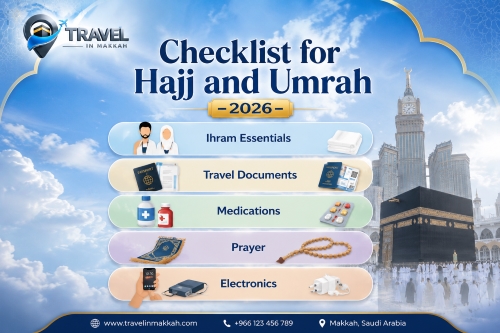
Saudi Arabia welcomes millions of pilgrims every year for Hajj and Umrah. To ensure safety, security, and respect for Islamic values, the Kingdom has strict customs regulations regarding alcohol, medicines, food products, electronic items, and other prohibited goods. Every pilgrim should understand these rules before traveling to avoid delays, confiscation of items, fines, or legal problems at Saudi airports and border checkpoints.
This guide explains in detail the customs rules for pilgrims entering Saudi Arabia, especially regarding alcohol, medicines, and prohibited items.
Importance of Following Saudi Customs Rules
Saudi Arabia follows Islamic law (Sharia), and its customs regulations are stricter than those in many other countries. Pilgrims visiting Makkah and Madinah are expected to respect local religious and cultural values.
Saudi customs authorities carefully inspect luggage at airports, seaports, and land borders. Any prohibited item found during inspection may lead to:
Confiscation of the item
Heavy fines
Deportation
Arrest or imprisonment in serious cases
Therefore, pilgrims should pack carefully and avoid carrying anything doubtful.
1. Alcohol Rules in Saudi Arabia
Complete Ban on Alcohol
Saudi Arabia has a zero-tolerance policy toward alcohol. The import, possession, sale, manufacture, or consumption of alcohol is strictly prohibited.
This rule applies to:
Beer
Wine
Whiskey
Vodka
Rum
Brandy
Alcohol-containing beverages
Homemade alcohol
Fermented drinks
Even very small quantities are illegal.
Carrying Alcohol in Luggage
Pilgrims are not allowed to bring alcohol in:
Checked baggage
Hand luggage
Duty-free bags
Gift packages
Airport scanners and customs officers are highly trained to detect alcoholic products.
If alcohol is found:
It will immediately be confiscated.
The traveler may face interrogation.
Legal action may be taken depending on the amount and circumstances.
Alcohol-Based Products
Some products may contain alcohol in small amounts, including:
Perfumes
Mouthwash
Medicines
Sanitizers
Generally, normal cosmetic or medical products are permitted if intended for personal use and not for intoxication. However, pilgrims should avoid carrying suspicious or excessive quantities.
Penalties for Alcohol Violations
Punishments for alcohol-related offenses can be severe. Depending on the situation, penalties may include:
Detention
Deportation
Fines
Imprisonment
Pilgrims should never attempt to hide or smuggle alcohol into Saudi Arabia.
2. Medicine Rules for Pilgrims
Medicines are one of the most important concerns for pilgrims, especially elderly travelers and those with chronic illnesses.
Saudi Arabia allows travelers to bring medicines for personal use, but certain rules must be followed.
Permitted Medicines
Pilgrims may carry:
Prescription medicines
Common over-the-counter medicines
Personal medical supplies
Examples include:
Diabetes medicine
Blood pressure tablets
Asthma inhalers
Painkillers
Vitamins
Allergy medicine
Requirements for Carrying Medicines
To avoid problems at customs, pilgrims should:
1. Carry a Doctor’s Prescription
The prescription should include:
Patient’s name
Doctor’s name
Medicine name
Dosage details
It is best if the prescription is in English or Arabic.
2. Keep Medicines in Original Packaging
Do not transfer medicines into unmarked containers. Original packaging helps customs officers identify the medicine easily.
3. Carry Reasonable Quantities
Only bring the amount necessary for personal use during the trip.
Large quantities may create suspicion.
Controlled Medicines
Some medicines considered normal in other countries may be restricted or controlled in Saudi Arabia.
Examples may include:
Strong painkillers
Narcotic medications
Sleeping pills
Anti-anxiety drugs
Certain psychiatric medicines
Pilgrims carrying controlled medicines should have:
A detailed medical report
Prescription documents
Approval documents if required
Prohibited Drugs and Narcotics
Saudi Arabia has extremely strict anti-drug laws.
Illegal drugs include:
Cannabis
Cocaine
Heroin
Methamphetamine
Recreational narcotics
Possession or trafficking of drugs can result in:
Long-term imprisonment
Deportation
Extremely severe criminal penalties
Even trace amounts can lead to serious consequences.
3. Food Items and Customs Restrictions
Pilgrims often wish to carry food from their home country. Some food items are allowed, but restrictions apply.
Usually Permitted Food Items
Small quantities of sealed food for personal use are generally allowed, such as:
Biscuits
Dry snacks
Packaged sweets
Instant noodles
Tea or coffee
Restricted Food Items
Saudi customs may restrict:
Fresh meat
Homemade food
Perishable items
Unsealed products
Large quantities of food
Food inspection rules may change depending on health regulations and disease control measures.
Zamzam Water Rules
Pilgrims returning home can usually carry officially packed Zamzam water according to airline and airport regulations.
However, when entering Saudi Arabia, pilgrims should follow airline baggage policies carefully.
4. Prohibited Religious and Political Materials
Saudi Arabia carefully monitors materials considered offensive to Islam or politically sensitive.
Pilgrims should avoid carrying:
Anti-Islamic materials
Offensive religious books
Political propaganda
Extremist publications
Materials criticizing Saudi authorities
Non-Islamic Religious Items
Personal religious items are generally tolerated if discreet. However, materials intended for public distribution or missionary activities are prohibited.
5. Weapons and Dangerous Items
Weapons and hazardous items are strictly forbidden.
These include:
Guns
Ammunition
Knives
Explosives
Fireworks
Tasers
Pepper spray
Even decorative weapons may cause problems during customs inspection.
6. Electronic Devices and Digital Content
Most personal electronics are allowed, including:
Mobile phones
Laptops
Tablets
Cameras
However, pilgrims should avoid storing prohibited content on devices.
Prohibited Digital Content
Illegal or offensive content may include:
Pornographic materials
Anti-religious content
Extremist propaganda
Pirated media
Saudi authorities may inspect electronic devices if necessary.
7. Currency and Financial Regulations
Pilgrims carrying large amounts of money should follow declaration rules.
Cash Declaration
Travelers entering Saudi Arabia with large sums of cash or valuable financial instruments may need to declare them to customs authorities.
This rule helps prevent:
Money laundering
Financial crimes
Illegal transfers
8. Tobacco and Smoking Products
Saudi Arabia allows limited quantities of tobacco products for personal use.
However, excessive quantities may be taxed or confiscated.
E-Cigarettes and Vapes
Regulations regarding vapes and electronic smoking devices may change periodically. Pilgrims should check updated airline and Saudi customs policies before travel.
9. Drone and Photography Equipment Rules
Drones are highly restricted in Saudi Arabia.
Pilgrims should not carry drones without official authorization.
Unauthorized drone possession may lead to:
Confiscation
Fines
Legal penalties
Professional photography equipment may also require permission in some situations.
10. Customs Inspection Process at Saudi Airports
Upon arrival, pilgrims go through several stages:
Immigration control
Baggage collection
Customs inspection
Customs officers may:
Scan luggage
Ask questions
Inspect suspicious bags manually
Pilgrims should cooperate politely with officers.
11. Tips for Pilgrims to Avoid Customs Problems
Pack Carefully
Before traveling:
Check all bags thoroughly
Remove prohibited items
Avoid carrying unnecessary products
Keep Important Documents Ready
Carry:
Passport
Visa
Medical prescriptions
Vaccination certificates
Hotel information
Label Medicines Properly
Unlabeled tablets or powders can create suspicion.
Always use original packaging.
Follow Airline Rules
Airlines may have separate restrictions regarding:
Liquids
Batteries
Medical equipment
Power banks
Check airline guidelines before departure.
12. Special Advice for Elderly Pilgrims
Elderly pilgrims often travel with multiple medicines and health equipment.
Recommended steps include:
Carry medical reports
Bring sufficient medicine supply
Keep emergency contacts available
Use transparent medicine bags for easier inspection
13. Customs Rules for Group Pilgrims
Many pilgrims travel in groups through agencies.
Group leaders should educate members about prohibited items before departure.
Common mistakes include:
Carrying unknown gifts for others
Bringing homemade medicines
Packing restricted food items
Pilgrims should carry only their own belongings.
14. Importance of Respecting Saudi Laws
Saudi Arabia hosts Islam’s holiest cities, Makkah and Madinah. Pilgrims are guests in the Kingdom and should respect:
Local culture
Religious values
National laws
Following customs regulations ensures a peaceful and smooth pilgrimage experience.
15. Final Recommendations for Pilgrims
Before traveling to Saudi Arabia for Hajj or Umrah:
Do:
Carry valid prescriptions for medicines
Keep medicines in original packaging
Pack only permitted personal items
Follow customs and airline rules
Respect Saudi laws and traditions
Do Not:
Carry alcohol
Bring narcotics or illegal drugs
Pack prohibited political or religious materials
Carry weapons or dangerous items
Attempt to hide restricted goods
Conclusion
Understanding Saudi customs regulations is extremely important for every pilgrim traveling for Hajj or Umrah. Saudi Arabia strictly prohibits alcohol, illegal drugs, weapons, and offensive materials. Medicines are generally allowed for personal use if supported by proper prescriptions and documentation.
Pilgrims who follow the rules can avoid unnecessary delays, fines, confiscations, or legal complications at Saudi airports. Careful preparation, responsible packing, and respect for local laws help ensure a safe, spiritual, and successful pilgrimage journey.
By remaining informed and cautious, pilgrims can focus fully on their religious duties and enjoy a peaceful experience in the holy cities of Makkah and Madinah.
Written by
admin
Sharing insights about pilgrimage, spiritual journeys, and sacred travel experiences.